Understanding the Risk of Frozen Pipes
Frozen pipes are one of the most common and costly issues homeowners face during winter. When temperatures drop below freezing, the water inside pipes can freeze, expand, and create significant pressure. This pressure often leads to cracks or bursts, resulting in expensive water damage. The risk is higher for pipes located in unheated areas such as basements, attics, garages, and exterior walls. Recognizing which areas of your home are most vulnerable helps you take preventive measures before the cold sets in.
Early Signs of Pipe Freezing
One of the first signs of Frozen & Burst Pipes is a noticeable reduction in water flow or no water at all coming from taps. Frost or condensation forming on exposed pipes is another warning signal that the water inside is beginning to freeze. Unusual smells coming from drains or faucets can also indicate ice blockage within the pipes. Catching these early signs allows you to act quickly before the situation escalates into a burst pipe and water damage emergency.
Preventing Frozen and Burst Pipes
Prevention is the most effective way to avoid costly repairs. Insulating exposed pipes with foam sleeves, heat tape, or fiberglass is one of the simplest solutions. Keeping cabinet doors open under sinks allows warm air to circulate around plumbing. Letting faucets drip slightly during extreme cold can prevent pressure buildup. For homeowners away during winter, maintaining a consistent indoor temperature and draining outdoor water lines is essential to prevent freezing.
Steps to Take When Pipes Freeze
If you discover a frozen pipe, turn off the main water supply immediately to prevent flooding if the pipe bursts. Use gentle heat sources such as a hair dryer or heating pad to thaw the affected area slowly. Avoid using open flames or high heat, as these can damage pipes or create fire hazards. If you cannot locate or access the frozen section, it is best to call a licensed plumber to safely address the issue and prevent further damage.
Repairing Damage from Burst Pipes
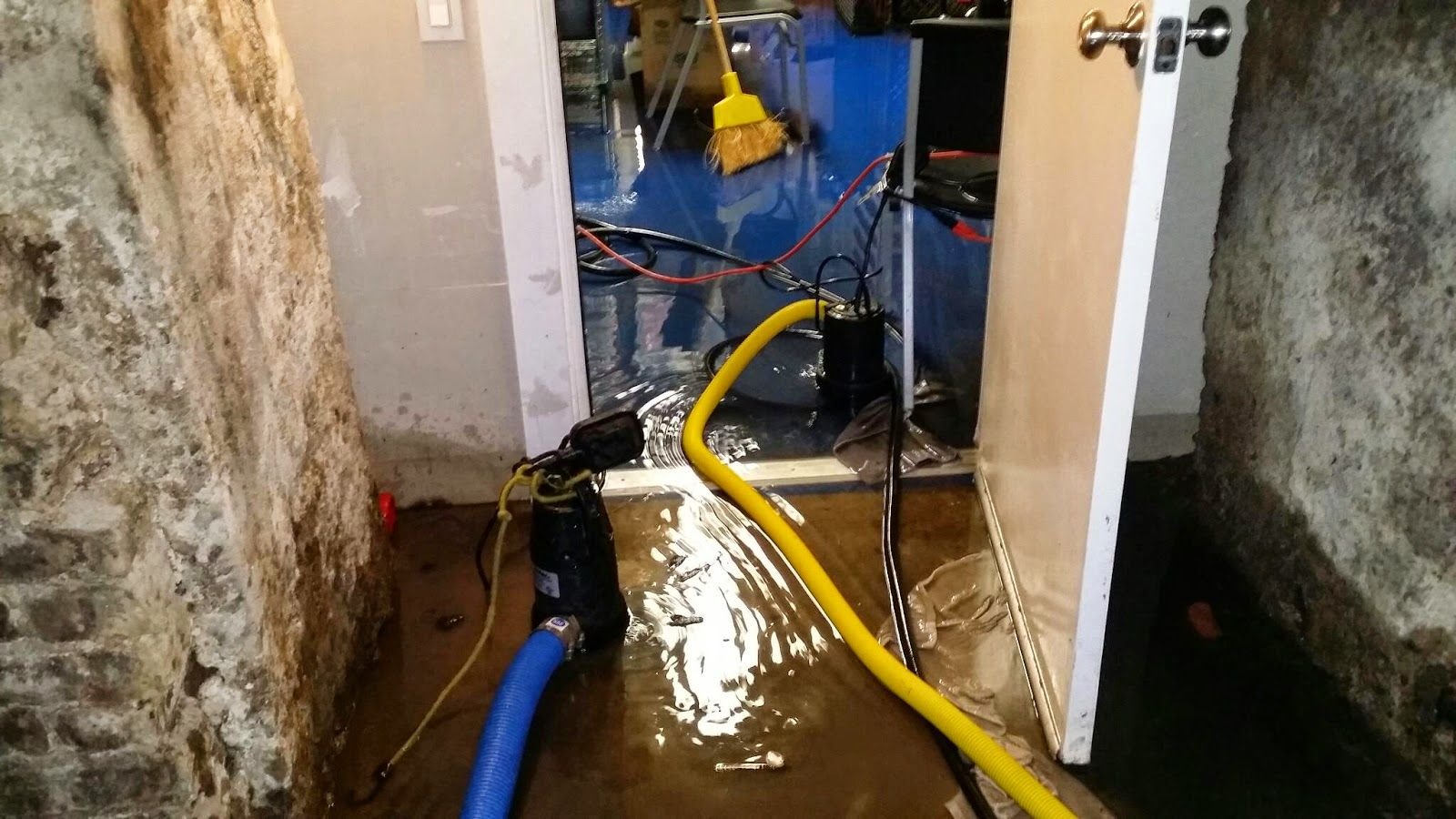
When a pipe bursts, quick action is crucial to limit water damage. Shut off the water supply and electricity to the affected area before beginning cleanup. Remove standing water using pumps or wet vacuums, then dry the area thoroughly with fans and dehumidifiers to prevent mold growth. Professional restoration services can help repair structural damage, replace damaged plumbing, and ensure your home is safe and dry. Addressing the root cause, such as poor insulation, will reduce the risk of future incidents.