
Grapefruit Diet | Secrets Revealed for Effective Weight Loss
The grapefruit diet has captured the attention of health enthusiasts for decades as a promising strategy for weight loss. This article delves into the secrets behind the grapefruit diet, explores its effectiveness, and provides essential insights to help you decide if it’s the right choice for your weight loss journey.
What Is the Grapefruit Diet?
The grapefruit diet is a low-calorie diet that includes grapefruit or grapefruit juice with every meal. It lasts for 12 days and focuses on high protein and low carbohydrate intake. The diet is based on the belief that grapefruits contain fat-burning enzymes that can accelerate weight loss.
How the Grapefruit Diet Works
- Caloric Restriction: Meals are limited to around 800 to 1,000 calories daily.
- Grapefruit Addition: Half of grapefruit or 8 ounces of grapefruit juice is taken with every meal.
- Low Carb, High Protein: Egg, lean meat, and non-starchy vegetables are all the diet staples.
- Short Period: The 12-day cycle of the diet makes it a short-term weight-loss plan and not a permanent way of life.
How Grapefruit Aids in Weight Loss:
Nutrient Composition of Grapefruit.
Grapefruit contains:
- Vitamin C: Promotes immunity and metabolism.
- Fiber: Facilitates digestion and makes you feel fuller for longer periods of time.
- Antioxidants: Protect against oxidative stress and inflammation.
Possible Advantages for Weight Loss:
- Thermogenic Action: Grapefruit is thought to stimulate a minor metabolic action, aiding calorie burning.
- Reduced Hunger: The water and fiber levels contribute to decreasing appetite.
- Increased Sensitivity to Insulin: Studies have found that grapefruit enhances the management of blood glucose, which might work in support of weight loss.
Advantages of the Grapefruit Diet:
Quick Weight Loss:
The low-calorie content makes this diet prompt results and makes it an excellent choice for someone who wants to lose weight very fast.
Simplicity:
The easy plan is straightforward; no difficult preparation of meals is involved, nor any expensive ingredients needed for the dishes.
Nutrient Boost:
The grapefruit ensures continuous intake of necessary vitamins and antioxidants for proper health.
Negative Aspects of the Grapefruit Diet:
Restrictive:
The dietary restrictive nature will create nutritional deficiencies over time if taken for too long.
Temporary Outcomes:
Because the diet is not a long-term solution, weight loss is often regained once the diet is stopped.
Health Consequences:
Individuals with certain conditions, such as acid reflux or those on certain medications, may have adverse reactions. Grapefruit can have adverse interactions with certain medications, including statins and blood pressure medications.
Example Grapefruit Diet Menu:
Day 1:
- Breakfast: Half a grapefruit, two hard-boiled eggs, black coffee or tea.
- Lunch: Salad with grilled chicken, olive oil dressing, and half a grapefruit.
- Dinner: Baked fish, steamed broccoli, and half a grapefruit.
Day 2:
- Breakfast: Half of grapefruit, scrambled eggs, and a slice of turkey bacon.
- Lunch: Tuna salad with mixed greens and half a grapefruit.
- Dinner: Grilled steak, asparagus, and half a grapefruit.
Repeat the cycle on different days by alternating similar lean proteins, non-starchy vegetables, and grapefruits.
Some tips for doing this diet successfully:
Stay Hydrated:
Drink plenty of water to help with digestion and keep energy levels up.
Exercise:
Light to moderate exercise, such as walking or yoga, can complement weight loss.
Portion Control:
Adhere to the portion sizes recommended for the diet to get the most out of it.
See a Doctor:
If you have any health conditions or are on medication, consult a doctor before beginning the grapefruit diet.
Debunking Common Myths About the Grapefruit Diet:
Myth 1: The consumption of grapefruit itself burns fats.
Even though grapefruit is healthy, not any food burns fat without a caloric deficit in the general sense.
Myth 2: It is long-term.
The grapefruit diet is designed for short-term weight loss and is not a lifestyle plan.
Myth 3: More grapefruit = more weight loss.
Eating too much grapefruit does not enhance weight loss, and it may also lead to digestive issues in the consumer.
Alternatives to the Grapefruit Diet:
If the grapefruit diet seems too restrictive, consider these alternatives:
- Mediterranean Diet: Emphasizes fresh fruits, vegetables, lean proteins, and healthy fats.
- Low-Carb Diets: Such as the ketogenic or Atkins diet, focusing on carbohydrate reduction.
- Intermittent Fasting: Alternates between periods of eating and fasting for weight loss.
Conclusion:
The grapefruit diet can be an effective short-term solution for weight loss, offering rapid results for those seeking a quick fix. However, it’s essential to weigh its benefits against potential drawbacks and prioritize long-term health. Pairing the principles of the grapefruit diet with a balanced and sustainable eating plan may provide the best of both worlds.
For lasting success, focus on creating a healthy lifestyle that includes a nutrient-rich diet, regular exercise, and consistent hydration.
FAQs:
1. Can I drink grapefruit juice instead of eating the fruit?
Yes, but ensure it is 100% grapefruit juice without added sugars.
2. How much weight can I lose on the grapefruit diet?
Most people lose 3-10 pounds during the 12-day plan, depending on adherence and metabolism.
3. Can I follow the grapefruit diet for more than 12 days?
It is not recommended due to its restrictive nature and potential nutrient deficiencies.
4. Are there any side effects of the grapefruit diet?
Possible side effects include headaches, fatigue, and potential medication interactions.
5. Is the grapefruit diet suitable for everyone?
No, people with certain medical conditions or those taking medications should avoid it.
6. Can I exercise while on the grapefruit diet?
Yes, light to moderate exercise is encouraged but avoid intense workouts due to the low-calorie intake.
Instagram Influence | Are We Losing Touch with Reality?
Social media platforms like Instagram have become a significant part of our daily lives, shaping how we communicate, consume content, and perceive the world around us. But as Instagram continues to grow in influence, a pressing question arises, are we losing touch with reality? Let’s explore how Instagram impacts our lives, the potential downsides, and what we can do to maintain a healthy relationship with this powerful platform.
The Allure of Instagram:
Instagram is a visual playground. It’s all about capturing stunning travel shots and perfectly plated meals, built to engage and inspire. With over a billion active users, Instagram provides:
- A Space for Self-Expression: Users can share their passion for photography, fashion, or art.
- Connections and Community: It brings people together, making friends and niche communities.
- A Gateway for Opportunity: Many have turned Instagram into a career, leveraging it for brand partnerships and entrepreneurship.
The Dark Side of Instagram’s Influence:
Whereas Instagram has its advantages, it’s not without its weaknesses. The platform’s emphasis on aesthetics and engagement can distort our perception of reality, leading to various concerns:
1. The Pressure to Perfect:
Filters, photo editing, and curated feeds create unrealistic beauty and lifestyle standards. This often leads to:
- Self-esteem problems: Continuous comparison to apparently perfect lives can deteriorate mental health.
- Body image issues: Photoshopped images create unhealthy expectations about the body.
2. Addiction and Overuse:
Scrolling through Instagram can become addictive. The continuous inflow of content often ends in:
- Screen time surges: Hours spent online take over real-life interactions.
- Low productivity: Too much use can distract from personal and professional objectives.
3. A Distorted Reality:
The high-gloss lights of Instagram rarely depict true life. This can end up causing:
- FOMO: Feeling left behind in certain events or ways of life that are being posed online.
- Mental health crises: Perceived vs actual reality. Stress and anxieties ensue.
4 The Emergence of Influencer Culture:
Influencers can inspire, but the chasing of likes and sponsorships has transformed Instagram into a space of competitiveness, where actuality is often questioned and consumption is overly promoted. Trends can feel contrived or insincere.
How to Stay Grounded in the Instagram Era:
1. Practice Digital Mindfulness:
Be mindful of how Instagram influences your thoughts and emotions. Spend less time on the app and avoid following accounts that fuel negativity.
2. Curate Your Feed Wisely:
Follow accounts that inspire positivity, authenticity, and growth. Diversify your feed to reflect a broader perspective.
3. Take Social Media Breaks:
Set aside Instagram time now and then to connect to reality and personal lives.
4. Keep Your Focus on Reality:
Remember, Instagram is just a highlight reel. Learn to be thankful for the unfolding of your own story.
5. Learning About Media Literacy:
Learn how algorithms and advertising work on Instagram, which will give you an informed choice in what to watch.
The Bigger Picture:
Instagram’s influence isn’t inherently good or bad; it depends on how we use it. With mindful practices and a focus on authenticity, we can enjoy the benefits of Instagram while staying connected to reality. Let’s embrace social media for what it is, a tool, and not let it define our worth or worldview.
Conclusion:
Instagram’s influence on our lives is undeniable. While it offers incredible opportunities for connection and creativity, it’s essential to navigate the platform with awareness. By staying mindful of its impact and prioritizing real-world experiences, we can enjoy the best of both worlds, the digital and the real.
FAQs:
1. Why is Instagram so addictive?
Instagram’s design, including infinite scrolling and algorithmic content suggestions, keeps users engaged and coming back for more.
2. How does Instagram impact mental health?
While it can inspire and connect, excessive use or comparison can lead to anxiety, depression, and low self-esteem.
3. Can Instagram be used positively?
Absolutely! It’s a great platform for learning, networking, and self-expression when used mindfully.
4. What are the dangers of influencer culture?
Influencer culture can promote unrealistic expectations, excessive consumerism, and a lack of authenticity.
5. How can I reduce Instagram’s negative effects?
Set time limits, follow positive accounts, and take regular breaks to maintain a balanced relationship with the app.
6. Is Instagram replacing real-life interactions?
For some, Instagram may reduce in-person connections. However, with conscious use, it can complement rather than replace real-world interactions.

Stock Markets | Why They Are Rising and What It Means for Your Investments
The stock market is often seen as a barometer of economic health, reflecting investors’ confidence and the financial trajectory of businesses worldwide. In recent months, however, the market has experienced a notable surge, raising questions about what’s driving the growth and how it impacts individual investments. This article delves into the market rise and explains its significance for your portfolio.
Why Are Stock Markets Rising?
The rise of the stock market is the meaning of that the price of shares is increasing, and behind this are many reasons. The first reason is that when the economy is going fine or is growing, then people buy more things and companies make a lot of profits because of that. That is why, investors think that buying shares is very beneficial.
The second reason is low interest rates. When interest rates are low, then for companies it becomes easier to bring their money over there and they start new projects. This thing increases their values.
The third reason is the coming of technology and new ideas. People invest their money in a sector that will give a lot of benefits to them, like AI and renewable energy.
All of this together makes it easy to top the stock markets. The important thing to understand is that none of this is the same all the time, but if these things are going well, the markets top.
What Does It Mean for Your Investments?
1. Gains:
A bull market may offer excellent opportunities for growth in wealth. Investment in companies with solid fundamentals, when the market is trending upwards, may reap good returns in the long run.
2. Chances of Overvaluation:
Rising markets are always exciting. However, it may also bring overvalued stocks. Be cautious and do good research before investing because inflated prices may bring correction.
3. Diversification Is Key:
Diversify your portfolio. Never put all eggs in one basket, hence, investing in multiple sectors and classes of assets protects the investor from market volatility.
4. Long-term outlook:
Gains from short-term markets are always enticing, but a long-term investment often leads to much more stable and significant returns. Always avoid decisions solely based on market trends.
5. Inflation Effect:
Rising markets may be associated with inflation, which eats into purchasing power. Use inflation-resistant assets, such as real estate or commodities, to balance your portfolio.
How to Invest Wisely in a Rising Market:
1. Analyze Market Trends:
Be aware of the drivers behind the market growth. The knowledge of trends will make you a more intelligent investor.
2. Focus on Quality Stocks:
Invest in companies with good health, a proven track record, and potential for future growth. Such stocks are less likely to be affected by the fluctuations in the market.
3. Avoid Emotional Decisions:
Market surges can lead to impulsive investments. Stick to your financial plan and avoid chasing trends without proper research.
4. Seek Professional Advice:
If you’re unsure where to start, consult a financial advisor. They can provide tailored strategies to align with your investment goals.
5. Review and Rebalance:
Regularly review your portfolio to ensure it aligns with your objectives. Rebalance if needed to maintain a healthy mix of assets.
Risks to Watch Out For:
While investing in stock markets, some risks should always be kept in mind. The first risk is a market crash. Sometimes the economy or companies do not perform well, and due to this, the value of shares falls. If you invest money without understanding, you may suffer losses.
The second risk is inflation. When the value of things increases, people invest their money in essential things instead of shares. These things can force the market to fall.
The third is company-specific problems. Not every company is good, and if there is fraud or losses in a company, its stock falls. If you invest in that company, you can lose your money.
And finally, there is the risk of global factors, such as wars, pandemics, or political instability. These things affect the stock markets around the world.
So, always research and diversify, so that even if there is a loss in one place, your rest of the investments remain safe.
Conclusion:
The rising stock market presents a wealth of opportunities for investors. However, it also comes with risks that require careful consideration. By understanding the factors driving market growth and adopting a strategic investment approach, you can make the most of the current trends while safeguarding your financial future. Remember, staying informed and focusing on long-term goals are key to thriving in any market environment.
FAQs:
1. Why do stock markets rise during economic uncertainty?
Stock markets often rise during uncertainty due to investor optimism, government stimulus, and low interest rates, which drive funds into equities.
2. Should I invest in a rising market?
Yes, but with caution. Focus on quality stocks and diversify to reduce risks associated with potential market corrections.
3. What sectors perform best in a rising market?
Technology, healthcare, and consumer goods often perform well due to innovation and consistent demand.
4. How can I protect my investments during market volatility?
Diversify your portfolio, invest in inflation-resistant assets, and maintain a long-term perspective to weather market fluctuations.
5. What is a market correction?
A market correction is a short-term decline in stock prices, typically following a rapid rise, bringing valuations back to realistic levels.
6. Can inflation affect the stock market?
Yes, inflation can impact the stock market by reducing consumer purchasing power and increasing operational costs for businesses.

Sports and the Economy | How They Help Nations Prosper
Sports have always been more than just a source of entertainment. They unite communities, inspire individuals, and play a significant role in shaping national identity. Beyond their social and cultural impact, sports are a healthy economic driver, contributing billions of dollars to global and local economies. Whether through job creation, tourism, or infrastructure development, sports have a profound effect on the prosperity of nations. This article delves deep into how sports and the economy are intertwined, revealing the mechanisms through which they foster national growth and prosperity.
The Economic Power of Sports:
1. Job Creation:
Sports create employment in a variety of fields. These include:
- Direct Jobs: Athletes, coaches, referees, and event organizers.
- Indirect Jobs: Staff in merchandise production, media coverage, hospitality, and security.
For instance, one football match alone needs hundreds of people, from ticket sellers to media technicians. On a larger scale, leagues and tournaments create stable, long-term employment for thousands.
2. Tourism Enhancement:
Major sporting events, such as the Olympics, FIFA World Cup, and Super Bowl, attract millions of international tourists. This attracts a lot of revenue for the economy through the following ways:
- Hotel bookings.
- Restaurant and local transport usage increase.
- Retail and entertainment industries.
For example, during the 2018 FIFA World Cup in Russia, over 5 million tourists were recorded, bringing billions to the cities hosting the event.
3. Infrastructure Development:
Hosting big sporting events calls for significant investments in infrastructure. The investment involves:
- Building or renovating stadiums.
- Improving transport systems.
- Developing public facilities.
These improvements are expensive but create a legacy that endures beyond the duration of the event.
4. Consumer Expenditure:
Sports enthusiasts also contribute to the economy. They spend on:
- Event tickets.
- Team apparel.
- Subscriptions to sports channels and streaming services.
This consumer expenditure stimulates local businesses and adds to the GDP of countries, demonstrating the economic impact of sports fans.
5. Brand Value and Sponsorships:
Sports events and teams are sponsorship magnets. Brands spend billions associating their brands with successful teams or high-profile events. Such is the case of the long history of Coca-Cola and Adidas with global sports organizations. These sponsorships not only fuel economic growth but also provide resources for development programs meant for sports.
How Sports Form National Economic Policies:
1. Economic Growth for Emergent Nations:
Hosting international sports events can transform developing countries. It enhances the country’s global visibility, attracts foreign investments, and offers the chance to present the potential of the nation. An excellent example is South Africa, which successfully hosted the 2010 FIFA World Cup, bringing in billions of dollars in revenue and upgrading the country’s global status.
2. Boosting Trade and Commerce:
Sports tend to be a doorway to international cooperation. Events help in the promotion of international trade relations, as countries hosting the events invite foreign investors and businesses. They also promote local industries by providing a platform for the display of products and services to the world.
3. Youth Involvement:
Investment in sports boosts youth participation and improves health, discipline, and teamwork. This active involvement will decrease unemployment and increase productivity to boost the economy. In addition, sports academies and programs provide a career for young talent to boost the economy for years.
Real-Life Examples of Sports Driving Economic Growth:
1. The Olympics:
The Olympics are an international event that, of course, boosts the host country’s economy greatly. Cities such as Tokyo (2021) and London (2012) experienced increased tourism, better infrastructure, and increased international exposure. In the long term, it provides for better public transportation systems and higher international exposure.
2. The English Premier League:
The EPL contributes billions of dollars every year to the UK economy. In addition to ticket sales and broadcasting rights, the league supports the hospitality, merchandise, and tourism sectors. Fans from all over the world come to the UK to watch matches, thus increasing the economy.
3. The Super Bowl:
In the United States, the Super Bowl is an economic powerhouse. It generates billions in advertising revenue and boosts local economies by filling hotels, restaurants, and entertainment venues. For example, the 2023 Super Bowl brought over $600 million in economic impact to its host city.
Challenges in Leveraging Sports for Economic Growth:
1. High Costs of Hosting Events:
While hosting large-scale events is economically beneficial, it also comes with risks. Building state-of-the-art facilities and hosting global events require huge investments, which can be burdensome to national budgets if not managed properly.
2. Short-Term Gains vs. Long-Term Benefits:
Some economic benefits, such as increased tourism and consumer spending, are short-lived. To maximize the impact, governments must ensure sustainable use of infrastructure and integrate sports into broader economic strategies.
3. Economic Inequality:
In some instances, the economic benefits of sports are only reaped in urban centers while leaving rural regions untouched. Such disparities should be bridged for growth to be all-inclusive.
Sports Maximizing Its Economic Potential:
1. Grassroots Sports Investment:
Grassroots sports ensure a constant flow of talent and, in the process, offer avenues for local businesses. Grassroots sports also bring social cohesion and economic equality at the community level.
2. Focus on Sustainability:
Sustainability needs to be featured in infrastructure plans for hosting major events. Facilities have to remain for long after the event, with the purpose of recreation and hosting local events.
3. Tapping into Technology:
Innovations, such as live streaming and data analytics, bring forth new avenues for revenue for sports. Emerging sectors such as eSports attract a young audience, thus increasing the economic space.
4. Public-Private Partnerships:
Governments collaborating with private organizations ensure proper funding, innovation, and shared responsibilities in organizing sports events. For instance, private sponsorships can minimize the financial burden on taxpayers.
5. Improve Tourism Strategies:
Governments should come up with targeted campaigns that attract international tourists during and after the sports events. This may include cultural exchange programs, travel packages, and promotional discounts.
Conclusion:
Sports are more than just games, they are powerful economic engines that drive prosperity and foster national unity. From job creation to infrastructure development, sports’ impact on the economy is multifaceted and far-reaching. By investing in sustainable practices, leveraging technology, and promoting grassroots development, nations can maximize the economic potential of sports, ensuring lasting benefits for communities and future generations. As the world continues to embrace the power of sports, it becomes clear that their role in economic growth is crucial.
FAQs:
1. How do sports contribute to the economy?
Sports drive the economy by creating jobs, boosting tourism, and stimulating spending in related industries like merchandise, media, and hospitality.
2. What are the long-term benefits of hosting sports events?
Hosting sports events improves infrastructure, increases global visibility, and promotes tourism, leaving a lasting economic legacy.
3. How do sports benefit developing nations?
Sports events attract foreign investments, improve infrastructure, and boost national pride, helping emerging economies grow.
4. Can sports reduce unemployment?
Yes, sports generate direct and indirect jobs, engaging the youth and supporting industries like tourism, retail, and media.
5. What role does technology play in sports economics?
Technology expands revenue streams through live-streaming, eSports, and data analytics, making sports accessible to global audiences.
6. Are sports events sustainable for local economies?
With proper planning and sustainable infrastructure, sports events can provide long-term economic and social benefits.
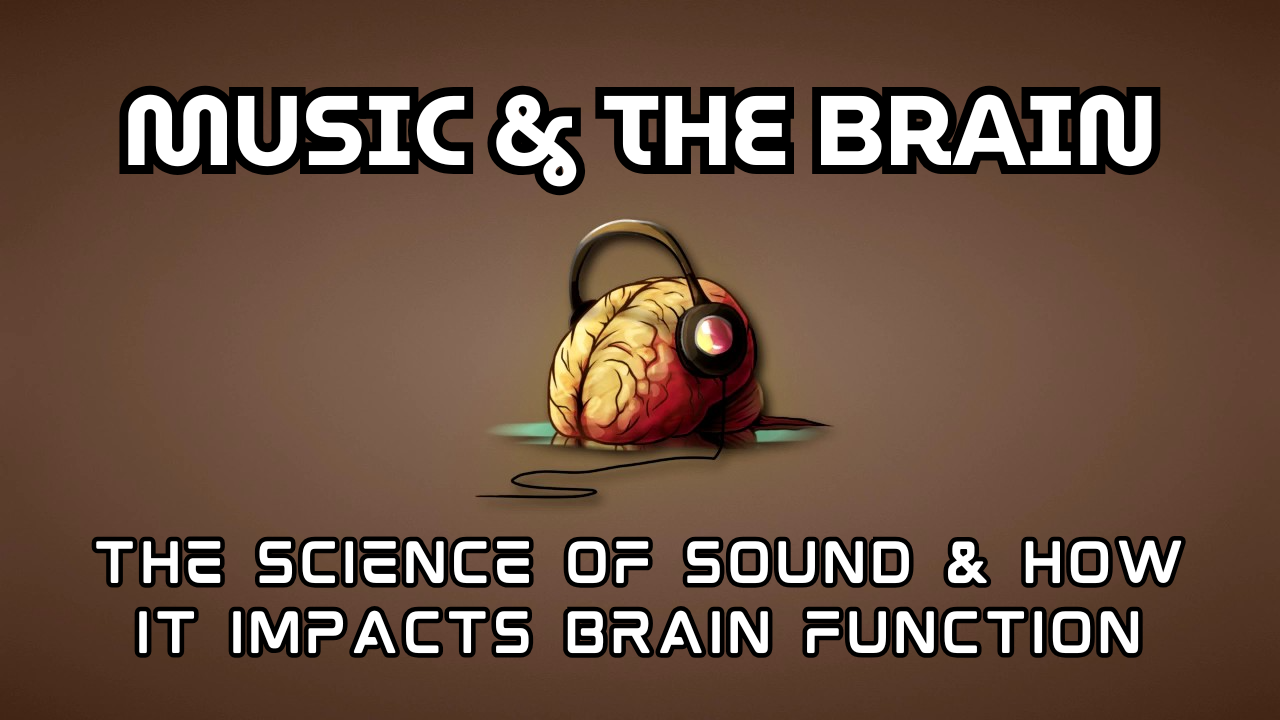
Music and the Brain | The Science of Sound and How It Impacts Brain Function
Music has been an integral part of human culture for thousands of years. Beyond its ability to entertain, music holds profound power over the human brain, influencing emotions, memory, and even cognitive performance. The interplay between music and the brain is a fascinating subject that blends neuroscience with art, uncovering how sound shapes our mental and emotional landscapes. This article dives deep into the science of sound and its remarkable effects on brain function.
The Neuroscience of Music:
Music affects the brain in ways that few other incentives can. When you listen to your favorite song, multiple areas of your brain light up, including those responsible for emotions, memory, and motor skills. Here’s how music interacts with the brain:
- Auditory Cortex: This is where sound is processed. The auditory cortex decodes elements like pitch, rhythm, and melody.
- Hippocampus: The hippocampus connects music to memories, which is why you can remember a certain song and the moment it happened.
- Prefrontal Cortex: This part of the brain is responsible for decision-making and social behavior, which is why you know when to expect a beat drop in music.
- Amygdala: This part of the brain processes emotions, which is why music can make you happy, sad, or even nostalgic.
- Motor Cortex: Rhythms of the song can activate the motor cortex which induces people to tap their feet and dance to the music’s rhythm.
The Cognitive Functions Associated With Music:
Music, from research, is a good tool for brain enhancement in addition to its use in art. The key benefits include:
- Better Memory: Learning an instrument or hearing music can increase the neuronal connections that will be effective in retaining memory.
- Increased Concentration: Instrumental background music improves the focus of a person doing activities that require long hours of continuous attention.
- Language Abilities: Sound processing is improved with training in music. The basis of learning a new language and understanding speech depends on better sound processing.
- Problem Solving Skills: The player will have coordination, time, and quick thinking that translates well to problem-solving abilities.
- Improved Mood: Music therapy has also been used for reducing the effects of stress, anxiety, and depression; a good mental health support agent.
Emotional Power of Music:
Everyone agrees that music has the emotional power to do all these things:
- Evoke strong emotions: A song can be joyful, sad, angry, or soothing.
- Create social bonds: Group activities like singing in a choir promote a sense of community and belonging.
- Trigger nostalgia: Familiar melodies evoke specific memories and can elicit a powerful emotional response.
- Provide comfort: In times of stress or grief, music can heal and comfort.
Music and Brain Plasticity:
Music plays a significant role in brain plasticity, as the brain can adjust and change. According to research:
1. Musical Training:
Increases gray matter volume, which enhances neural efficiency.
2. Adaptation to Sound:
Long-term exposure to music enhances auditory discrimination. So, musicians are better at distinguishing sounds.
3. Cognitive reserve:
Engagement with music promotes cognitive reserve, delaying age-related cognitive decline.
Music Therapy: Healing by Sound:
Music therapy is a healing process that utilizes sound to address a range of mental and physical health challenges. Applications include:
- Alzheimer’s Disease: Familiar music can stimulate memory recall in Alzheimer’s patients.
- Chronic Pain Management: Listening to soothing music can reduce the perception of pain.
- Anxiety Reduction: Calming music helps lower cortisol levels, thus reducing stress.
- Stroke Recovery: Music therapy can facilitate the rehabilitation of motor and speech in stroke patients through activation of various brain areas at the same time.
Science of Genres:
The same genres of music can impact the brain differently:
- Classical: “Mozart Effect,” where it enhances spatial-temporal reasoning.
- Pop and Rock: Upbeat beats will enhance mood and increase energy levels.
- Jazz: Its improvisational nature helps develop creativity and problem-solving abilities.
- Electronic Dance Music (EDM): The repetition of beats can even hypnotize you, making you relaxed or focused.
- Nature Sounds and Ambient Music: These genres are perfect for meditation and stress relief.
How to Leverage the Power of Music:
You don’t have to be a musician to harness the power of music. Here’s how you can use it to your advantage:
- Make Playlists: Prepare playlists for specific tasks, energetic for workouts, relaxing for unwinding, and instrumental for concentration.
- Learn an Instrument: Even minimal musical education can greatly improve cognitive function.
- Go to Live Performances: The social nature of live music enhances its emotional and psychological impact.
- Integrate Music into your Daily Routine: Play music while driving, working, or relaxing to improve your mood and performance.
Conclusion:
Music is not merely an art form, it’s a profound scientific phenomenon with solid effects on the brain. From enhancing cognitive abilities to providing emotional comfort, music has the power to transform our mental and emotional states. By understanding the science of sound and incorporating music into your life, you can unlock a wealth of benefits for both mind and body. Whether you’re a listener or a creator, the connection between music and the brain offers endless opportunities for growth, healing, and joy.
FAQs:
1. How does music affect brain chemistry?
Music releases dopamine, a feel-good neurotransmitter, and reduces cortisol levels, decreasing stress.
2. Can music improve sleep quality?
Yes, listening to calming music before bed can help relax the mind and improve sleep patterns.
3. Is there a link between music and intelligence?
While music doesn’t directly increase IQ, it enhances cognitive skills like memory and spatial reasoning.
4. How does playing an instrument impact the brain?
Playing an instrument strengthens neural pathways, improves motor skills, and boosts memory.
5. Can music therapy help mental health issues?
Yes, music therapy is effective in treating conditions like anxiety, depression, and PTSD.
6. Why do certain songs evoke strong emotions?
Music activates the amygdala, the brain’s emotional center, creating powerful emotional responses.
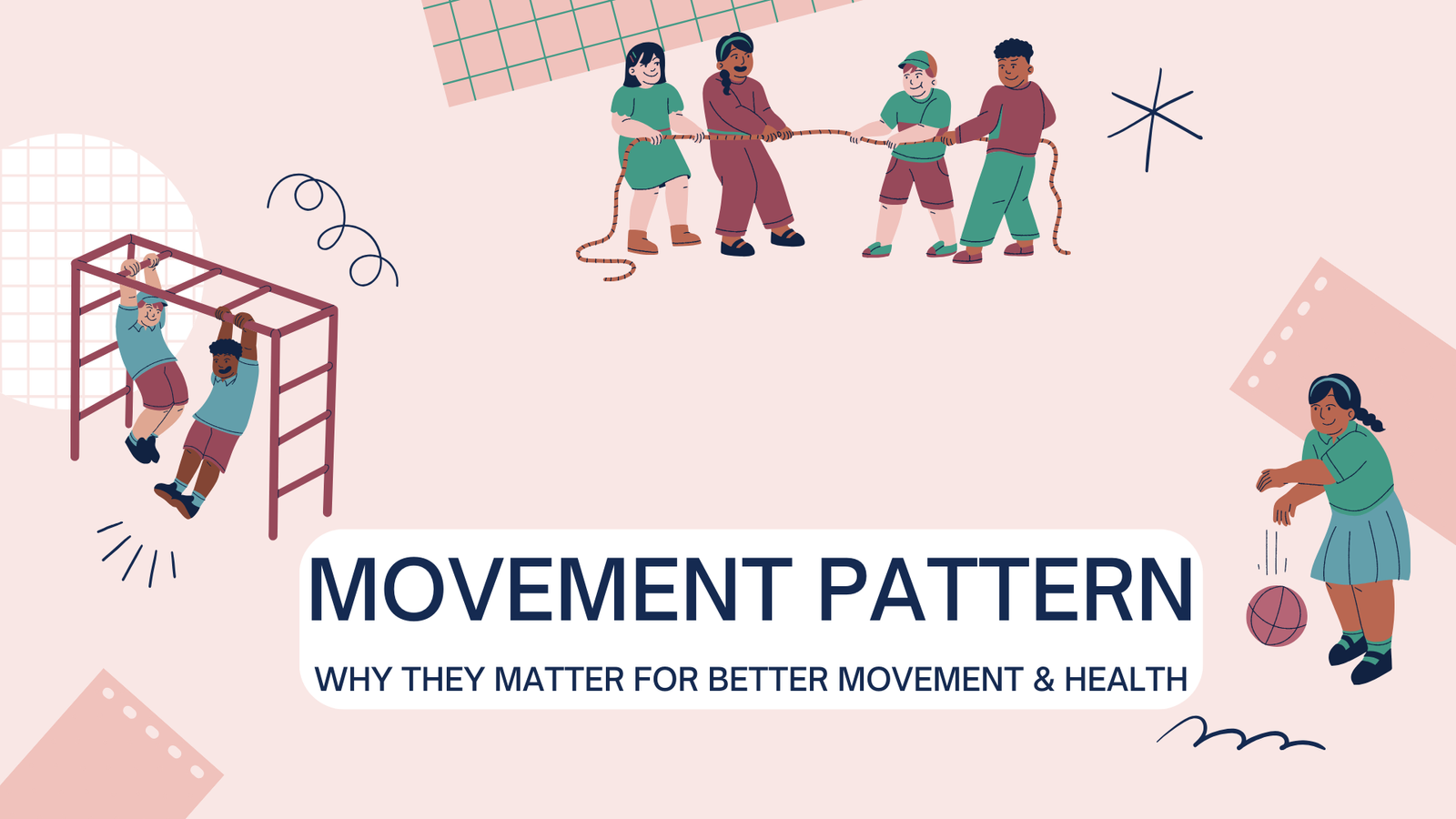
Movement Patterns | Why They Matter for Better Movement and Health
Movement patterns are the fundamental ways our bodies move, involving sequences and coordination of muscles, joints, and nerves. Understanding and improving these patterns can lead to better movement efficiency, reduced risk of injury, and improved overall health. In this article, we’ll explore the significance of movement patterns and how they impact our daily lives and long-term well-being.
What Are Movement Patterns?
Movement patterns are actually the ways in which we move our bodies for our daily tasks. These are the natural movements of the body that we all do every day in our lives, like walking, getting up-sitting, running, or lifting anything. These patterns are the result of the coordination of the body’s muscles, joints, and nerves.
If you take a simple example, like bending, your back, hips, and legs work together. If this movement is not done correctly, you can get injury or pain. That’s why it’s very important to understand movement patterns and practice them correctly.
This is important not just for athletes but for everyone, whether you’re a desk job or a physical laborer. Correct movement patterns improve your health, reduce injuries, and make you more active and flexible.
Examples of Movement Patterns:
Push: Movements such as push-ups and bench presses.
Pull: Pull-ups or rowing exercises.
Squat: Sitting down or performing squats.
Lunge: Moving a leg forward or backward.
Twist: Rotational motions such as turning to take hold of something.
Walk/Run: Basic movement actions.
Recognizing these patterns can point out what’s strong or weak and lead to corrective actions.
Why Movement Patterns Matter:
1. In Preventing Injuries:
Poor movement patterns lead to imbalances, causing strain on joints and muscles. For instance, poor squatting patterns cause strain on the knees or the lower back. Correcting the patterns minimizes overuse injuries.
2. Athletic Performance:
Good athletes depend on good movement patterns for optimal performance. Correct coordination and muscle activation result in speed, strength, and agility, making them the best in the competition.
3. Enhancing Everyday Functionality:
Good movement patterns make everyday life easier: from bending down to reach for groceries in the back of the refrigerator to climbing stairs, well-executed movements reduce fatigue and enhance one’s quality of life.
4. Supports Long-Term Health:
Poor repetitive movement patterns will eventually cause chronic problems such as arthritis or back pain. Addressing these patterns earlier on prevents long-term damage.
Examining Your Movement Patterns:
It is very important to understand and analyze your movement patterns so that you know how you are using your body. This step helps you to see where your movements are not right, and in which area you need improvement.
For this process, you can carefully observe your daily activities. For example, when you get up, walk, or pick up something, what position is your body in? Is your posture correct? Is your weight being distributed evenly?
You can look at yourself in a mirror, or record a video to analyze your movements. If you feel excessive strain in any position, or you are using your muscles in the wrong way, this is a sign that you need to improve your movement patterns.
This examination helps you to understand imbalances in the body. Once you identify where the problems are occurring, you can improve your movements through exercises and stretches, which improve your health and fitness.
Professional Evaluations:
Professional evaluations mean that you get help from an expert or professional to assess your movement patterns. These experts are people who are trained to understand your body and movements, such as physiotherapists, fitness trainers, or occupational therapists.
When you have a professional evaluate your movements, they carefully examine your body and look at how your muscles, joints, and bones are working. They also identify areas where you need improvement, such as poor posture, muscle imbalances, or improper movement techniques.
This evaluation gives you a detailed and accurate analysis that you cannot do on your own. Professional evaluations provide you with personalized advice and exercises that are tailored to your specific needs. This way you can improve your movement, avoid injuries, and improve your overall health.
Tips to Enhance Movement Patterns:
1. Strengthen Weaker Muscles:
Pinpoint the muscles that could be inactive. For instance, inactive glutes will create faulty hip movements when one attempts squats.
2. Increase Mobility:
Tight muscles restrict movement. Stretching and mobility exercises, such as yoga or foam rolling, can be of help.
3. Correct Technique:
Focus on proper form rather than intensity. Use mirrors or record videos to ensure your movements correspond with the correct techniques.
4. Functional Training:
Functional training simulates real-life movements that will help you in the improvement of the patterns used in daily activities.
5. Professional Guidance:
Personal trainers and physical therapists can give individualized exercises and corrections over your movement patterns.
Conclusion:
Movement patterns are the foundation of all physical activity, affecting everything from daily tasks to athletic performance. By understanding and improving these patterns, you can enhance your health, prevent injuries, and achieve better functionality. With proper assessment, targeted exercises, and professional guidance, better movement, and health are within reach.
FAQs:
1. What are the most common movement patterns?
The most common patterns include pushing, pulling, squatting, lunging, twisting, and walking.
2. How do poor movement patterns develop?
They often result from sedentary lifestyles, muscle imbalances, or previous injuries.
3. Can movement patterns be corrected?
Yes, with consistent practice, exercises, and professional guidance, movement patterns can be improved.
4. Why are movement patterns important for athletes?
Efficient patterns enhance performance, reduce injury risk, and ensure optimal energy use.
5. How do I know if my movement patterns are faulty?
Look for signs like pain during movement, limited range of motion, or uneven muscle use.
6. What exercises help improve movement patterns?
Exercises like squats, deadlifts, lunges, and core stability drills are excellent for enhancing patterns.

Market Trends | Choosing the Right Service for Success
In today’s fast-paced world, understanding market trends is essential for making informed decisions. Whether you’re running a business, launching a startup, or simply aiming for personal success, staying updated on market trends helps you choose the right services and strategies to reach your goals.
Why Are Market Trends Important?
Market trends offer insights into the behavior of consumers, the growth of industries, and emerging opportunities. Businesses that keep an eye on market trends remain competitive, while those that neglect them will fall behind. By examining market trends, you can:
- Predict changes in your industry.
- Identify business growth opportunities.
- Align your services with customer needs.
- Make data-driven decisions for success.
Major Market Trends to Watch Out for:
1. Sustainability and Green Initiatives:
Eco-friendly products and services are being favored by consumers. The companies adopting the sustainable model and offering green solutions are gaining maximum mileage.
2. Digital Transformation:
Cloud computing, AI-driven tools, and other digital technologies are transforming industries. Companies using digital solutions are well-equipped to grow.
3. Personalized Experiences:
Customers now seek customized services. Companies that offer customized solutions are finding higher customer loyalty and satisfaction.
4. Remote Work Solutions:
There’s an increase in demand for collaboration tools, cybersecurity solutions, and flexible office set-ups that hybrid and remote models spur.
5. Health and Wellness:
Post-pandemic, there’s a rise in demand for services that can help one achieve physical as well as mental well-being. In this sense, fitness applications, telemedicine, and wellness retreats are sought-after options post-pandemic.
6. E-commerce Growth:
Online shopping has only gained pace, with firms working to make user experiences smoother and faster with seamless payment options and faster deliveries.
How to Choose the Right Service for Success:
The selection of the appropriate service can be overwhelming, but the following steps may make the process easier.
1. Define Your Goals:
Define what you want to achieve. Do you want to enhance sales, operations, or customer satisfaction? Clear goals help you narrow down your options.
2. Research Market Leaders:
Seek services that have a good history. Check reviews, compare features, and assess market presence.
3. Prioritize Scalability:
Make sure the service can grow along with your business. A scalable solution will save you money and time in the future.
4. Budget and ROI:
Compare the costs with potential benefits. Take services that offer maximum return on your investment.
5. Customer Support:
Trustworthy customer support ensures help is there when you need it. Look for a service that has multiple channels through which customers can get in touch with their support team.
Examples of Services That Align with Market Trends:
Project Management Tools Trello and Asana are applications that allow teams to effectively collaborate from remote locations with the changing work culture.
E-commerce solutions Shopify and WooCommerce offer sturdy options for sellers, given the rise of e-commerce.
AI-powered marketing tools like Hub Spot and SEMrush are used for delivering personalized customer interaction with the help of AI-based marketing options.
Sustainable Packaging companies use biodegradable product solutions.
Health and Wellness Apps. Apps such as MyFitnessPal and Calm fall under the health and wellness trend, providing convenience and value.
Cloud-Based Solutions AWS and Google Cloud allow businesses to scale efficiently, which supports the digital transformation narrative.
Benefits of Choosing the Right Service:
- Increased Efficiency: Streamlined processes save time and resources.
- Increased Customer Satisfaction: Tailored services boost loyalty and retention.
- Cost Savings: Right-sized solutions prevent overspending.
- Competitive Advantage: Staying ahead of trends positions you as a leader in your industry.
Common Mistakes to Avoid:
Ignoring Trends:
Neglecting market trends can lead to outdated practices and lost opportunities.
Choosing Based on Price Alone:
Low-cost options may lack essential features or quality support.
Overlooking Integration:
Ensure the service integrates seamlessly with your existing tools.
Failing to Plan for Scalability:
Choosing a service that doesn’t grow with your needs can hinder progress.
Skipping Trial Periods:
Many services offer free trials. Use these to test compatibility and performance.
Conclusion:
Staying ahead of market trends is vital for success. By understanding these shifts and choosing the right services, you can position yourself for growth and achieve your goals. Keep your goals clear, research thoroughly, and prioritize solutions that align with emerging trends to thrive in an ever-changing marketplace.
FAQs:
1. What are market trends?
Market trends are patterns or shifts in an industry that indicate future developments.
2. How do I stay updated on market trends?
Follow industry news, attend webinars, and use analytics tools to monitor changes.
3. Why is choosing the right service important?
The right service boosts efficiency, aligns with your goals, and ensures long-term success.
4. How can I identify emerging trends?
Study consumer behavior, analyze competitor strategies, and track technological advancements.
5. What role does technology play in market trends?
Technology drives innovation, shapes customer expectations, and creates new opportunities.
6. Can small businesses benefit from market trends?
Absolutely. By adapting to trends, small businesses can compete with larger companies and attract more customers.
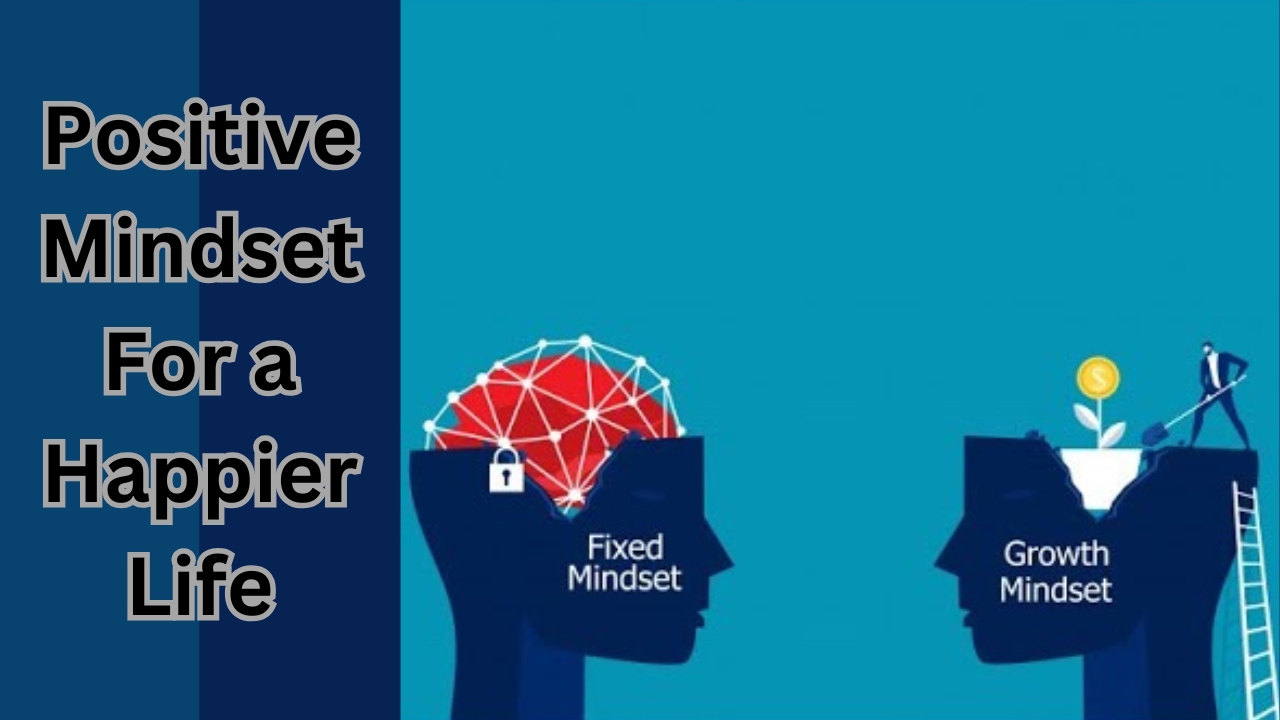
How to Develop a Positive Mindset for a Happier Life
Having an optimistic outlook and thinking happy thoughts are only two aspects of a positive mindset. It is an attitude that gives you the ability to remain resilient in the face of adversity seize opportunities and cultivate contentment no matter what. It takes commitment self-awareness and practice to cultivate a positive outlook. Rethinking your thoughts effectively controlling your emotions and learning to enjoy the here and now are the key components. Cultivating a positive mindset is a powerful tool to lead a happier more fulfilling life in a world that can often feel overwhelming or unpredictable. This blog will discuss how to cultivate a positive outlook and the long-term advantages it can offer.
The Importance of Self-Awareness:
Increasing self-awareness is the first step towards cultivating a positive outlook. Knowing your thoughts feelings and responses is essential because it enables you to spot harmful patterns and swap them out for more constructive ones. We frequently don’t realize how much our inner monologue influences our experiences. You may be held back by self-fulfilling prophecies if you regularly think things like I’m not good enough or I’ll never succeed.
Being aware of your thoughts helps you identify and confront negative self-talk early on. Additionally being self-aware enables you to identify the circumstances that are likely to elicit negative feelings which can help you better control your reactions.
Reframing Negative Thoughts:
Reframing your thoughts is the next step after you become more conscious of them. This is changing the way you think about difficulties failures or unknowns. By rephrasing you can view challenges as chances for development rather than as threats. For example, when you fail at something try to reframe it this is an opportunity for me to learn and improve rather than be a failure. You can transform any situation into a positive experience by rephrasing negative thoughts to concentrate on the lessons that can be gained from it.
It shifts your mindset from one of helplessness to one of empowerment, and this shift is crucial for long-term happiness and success. The more you practice reframing, the more natural it becomes to see the silver lining in even the most challenging situations.
Practicing Gratitude Daily:
Having gratitude is one of the best ways to cultivate a positive outlook. It’s simple to get into a downward spiral when were continually think about what we lack or what’s wrong. Being grateful helps you focus on the positive aspects of your life which in turn makes you feel happier.
Taking a moment every day to consider three things for which you are thankful is an easy exercise. These need not be significant events sometimes the little things in life like a warm cup of coffee or a meaningful chat with a friend have the greatest influence. Your brain will learn to recognize more positive aspects of your life if you acknowledge them which will start a positive feedback loop.
Surrounding Yourself with Positive Influences:
The people you spend a lot of time with on a daily basis greatly influence how you think. Your mindset can be considerably improved by surrounding yourself with upbeat encouraging people. Negativity can be contagious and drain your energy but positive people tend to inspire and uplift those around them. Examine your social networks and try to spend more time with people who inspire motivate and help you develop.
This doesn’t mean you have to cut off everyone who brings negativity but try to find a balance that allows you to engage with those who bring positivity into your life. Building a supportive network creates an environment that fosters optimism and emotional well-being, which are key components of a positive mindset.
Focusing on the Present Moment:
Focusing on the here and now is one of the simplest strategies to develop a positive outlook. It is simple to get sucked into worries about the future or past mistakes but neither of these things promotes optimism. The only thing you can control is the present because the past is gone and the future is unpredictable.
You can maintain your focus and sense of groundedness by engaging in mindfulness exercises like deep breathing meditation or just paying attention to your surroundings. By learning to live in the now you will stop worrying about what-ifs and start to enjoy life as it comes. Remaining in the moment not only improves your mental health but also enables you to face life’s obstacles with greater composure and clarity.
Cultivating Self-Compassion:
Practicing self-compassion means being kind to yourself especially when things are tough. When something goes wrong its easy to be hard on ourselves but practicing self-compassion can help you avoid descending into negativity. Treat yourself with the same compassion and support that you would give a friend when you make a mistake or experience a setback rather than punishing yourself. Recall that mistakes are a normal part of learning and that everyone makes them. You can cultivate a mindset that is gentle forgiving and growth-oriented rather than self-criticism by engaging in self-compassion practices.
Setting Realistic Goals:
Another important component of cultivating a positive mindset is setting and achieving specific attainable goals. You can establish a feeling of purpose and direction when you set reasonable goals that are consistent with your values. As you move closer to them this gives you inspiration and a feeling of achievement.
Additionally, goals provide you with something to look forward to which keeps your attention on what is achievable rather than what is lacking. However, it is crucial to be adaptable and modify your objectives as necessary. Since life is unpredictable having a strict mindset can make you frustrated and demoralized. Rather take an open and curious approach to your goals and acknowledge and appreciate your accomplishments no matter how minor.
Embracing Challenges as Opportunities for Growth:
To cultivate a positive outlook one must view challenges as chances for personal development rather than as roadblocks. Problems will inevitably arise in life but how you respond to them depends on your mindset. Instead of running from difficulties welcome them as opportunities to grow learn and adapt. Having an optimistic outlook enables you to see setbacks as transient obstacles that can be surmounted and failures as opportunities for growth. You will feel more empowered and equipped to handle any situation that arises when you change the way you view difficulties.
Conclusion: The Path to a Happier Life
Developing a positive mindset is a journey, not a destination. It requires consistent effort, self-reflection, and the willingness to embrace change. By practicing self-awareness, reframing negative thoughts, fostering gratitude, surrounding yourself with positive influences, and focusing on the present moment, you can cultivate a mindset that supports happiness and well-being. It’s not about ignoring life’s difficulties, but about learning how to face them with optimism, resilience, and a sense of purpose. By adopting a positive mindset, you can create a life that is not only happier but also more fulfilling and meaningful.

How to Declutter Your Space and Mind for a Stress-Free Life
Both your physical space and your mind can easily become cluttered in the fast-paced world of today. A sense of chaos brought on by an accumulation of belongings incomplete projects and emotional baggage can make it hard to concentrate or find calm. Your mental and emotional health may be significantly impacted by the decluttering process which involves clearing out things that aren’t necessary from your surroundings and your thoughts. In 2024 a lot of people are realizing that maintaining a stress-free lifestyle begins with simplifying their environment and their perspective.
Organizing your space is only one aspect of decluttering another is making space for calm creativity and clarity. You can lay the groundwork for a life that is more tranquil and satisfying by making a conscious effort to purge your mental and physical clutter.
Start with Your Physical Space:
Addressing your physical surroundings is the first step in the decluttering process. It can be hard to focus or unwind in a cluttered environment. Decide which areas of your house workplace or personal belongings require attention first. Begin by concentrating on just one room or area at a time. This might be your desk closet in your bedroom or counter in your kitchen. Creating a neat and orderly environment that encourages both productivity and leisure is the aim.
Take a systematic approach to decluttering. Begin by sorting through your items, separating them into categories like “keep,” “donate,” “throw away,” and “maybe.” Be ruthless about what you keep. Ask yourself if each item serves a purpose or brings you joy. If it doesn’t, it’s time to let it go. For the things you’re unsure about, consider putting them aside for a few weeks. If you haven’t missed them by then, it’s a sign they may not be essential to your life.
After you’ve decided what to keep assign each item a specific space. Keeping your belongings organized not only improves the functionality of your area but also lessens the mental strain that comes with having to look for things. Organized drawers neat shelves and clear countertops all help create a more tranquil atmosphere. Your general well-being may benefit from having a physical space free of clutter since it can foster a sense of control and order.
Clear the Clutter in Your Digital Life:
Many of us are also overloaded with virtual clutter in the current digital era. Your digital environment can easily become as disorganized as your physical one with overflowing email inboxes innumerable notifications and digital files. The first step in decluttering your digital life is to unsubscribe from pointless email lists and arrange your inbox into accessible folders. Get rid of old emails especially those that are useless.
Next, go through your phone and computer files. Delete duplicate or outdated documents, and organize important files into clear folders with descriptive names. This will help reduce the time spent searching for documents and make it easier to find what you need when you need it. Don’t forget to check you’re desktop and remove any unnecessary icons. A clean digital workspace not only reduces stress but also improves productivity and focus.
Finally, check your social media profiles. Unfollow accounts that don’t inspire you or make you feel good. Simplifying your digital surroundings can minimize the distractions that frequently lead to mental clutter and give you a sense of control over your virtual world.
Mental Decluttering for Emotional Clarity:
After organizing your digital and physical spaces it’s time to concentrate on mental decluttering. It is possible for your mind to become overloaded with unresolved emotions worries and negative thoughts. Clutter in your mind can keep you from feeling at peace just as clutter in your physical environment can make it hard to unwind.
One of the most effective ways to clear mental clutter is through mindfulness practices. Meditation, deep breathing exercises, and journaling are powerful tools for quieting the mind and gaining emotional clarity. Meditation allows you to focus on the present moment, releasing thoughts of the past or future that contribute to mental stress. Even a few minutes each day can help center your thoughts and create a sense of calm.
Decluttering your mind can also be accomplished by journaling. You can process your thoughts anxieties and feelings more efficiently if you put them in writing. You can find patterns understand your emotions and let go of any tension by engaging in this type of self-reflection. You can make room in your mind for more constructive and upbeat ideas by putting your ideas on paper.
Reframe your negative thoughts if you are constantly overwhelmed by worry. Change your focus from worrying about what might go wrong to solutions and successful outcomes. You can develop a more positive outlook on life and lessen anxiety over time with this mental change.
Creating Healthy Habits for Ongoing Clarity:
Cleaning your mind and space is a lifestyle change that takes time and effort to maintain. Decluttering should be a daily habit if you want to maintain a clean environment and clear thinking. Organize your living and working areas daily. Establish the practice of returning items to their proper locations to prevent clutter from accumulating again.
Incorporating daily mindfulness practices, such as meditation or journaling, into your routine can also help you maintain mental clarity. Make it a habit to check in with your thoughts and emotions regularly, allowing yourself to release any mental clutter before it piles up. This will help you stay grounded and reduce stress daily.
Finally, make time for rest and self-care. Rest and energy replenishment should be your top priorities when you’re feeling anxious or overburdened. Make time in your life to engage in peaceful and reviving activities such as yoga taking a stroll in the outdoors or just sitting quietly.
Conclusion:
Decluttering is a powerful practice that can bring order to both your physical space and your mind. By simplifying your environment and your thoughts, you create room for peace, productivity, and emotional clarity. In 2024, more people are discovering the benefits of living with less—both materially and mentally. A decluttered space leads to a decluttered mind, and together, they create a foundation for a stress-free life. Whether it’s organizing your home, reducing digital distractions, or practicing mindfulness, each step you take toward decluttering will help you feel more at ease and in control. Embrace the process and enjoy the mental freedom that comes with living a simpler, more intentional life.

How to Deal with Exam Stress and Anxiety:
Exams may be a major cause of worry and anxiety for a lot of students. The fear of failing and the intense pressure to perform well can distort your judgment. Anxiety and stress related to exams are normal but they don’t have to rule you. You can lower your anxiety and approach your tests with confidence if you have the appropriate techniques in place. In addition to enhancing your mental health effective stress and anxiety management will help you perform better on tests.
Recognizing the Signs of Stress and Anxiety:
It is critical to identify the symptoms of stress and anxiety before learning coping mechanisms for exam anxiety. These might include physical symptoms like headaches tense muscles nausea and exhaustion though they can differ from person to person. Feelings of overwhelmed dread or ongoing anxiety are examples of emotional symptoms. Confusion self-doubt and negative thoughts are examples of cognitive symptoms.
Understanding these signs is crucial because it allows you to take proactive steps to manage your stress before it spirals out of control. Once you’re aware of the symptoms, you can begin to implement strategies to reduce the impact of anxiety and stress on your studies.
Create a Study Plan and Stick to It:
Establishing a study schedule is among the most effective strategies to reduce exam anxiety. By offering structure and organization a study plan helps people feel less overwhelmed by the amount of material they need to cover. Before organizing your study sessions determine how much time you have left before your exams. Give each study block a specific topic or subject and give priority to the areas in which you are less confident.
A well-organized study schedule not only helps you stay on track but also reduces anxiety by providing a clear roadmap. Knowing that you have a plan in place and that you’re making steady progress toward your goal can give you a sense of control and accomplishment. Additionally, building in regular breaks is crucial to prevent burnout and maintain focus throughout your study sessions.
Practice Relaxation Techniques:
Effective strategies for reducing stress and anxiety include relaxation techniques. Deep breathing meditation and progressive muscle relaxation are examples of easy techniques that can calm the body and mind. By using these methods you can relax tense muscles reduce your heart rate and get rid of negative thoughts.
Taking just five to ten minutes each day to practice relaxation techniques can make a significant difference in your ability to manage stress. You can incorporate these techniques into your study breaks, or use them when you feel anxiety building before an exam. Over time, these practices will help you develop a greater sense of inner calm and resilience.
Maintain a Healthy Lifestyle:
A key component of stress and anxiety management is taking good care of your body. You are better able to manage mental and emotional difficulties when you are physically well. Above all make sure you’re getting adequate rest. Lack of sleep can exacerbate stress and have a detrimental effect on your focus and memory. Sleeping for seven to eight hours every night will help your brain get the rest it needs to perform at its peak.
In addition to sleep, maintaining a balanced diet and exercising regularly can also help reduce stress. Eating nutritious meals provides your brain with the fuel it needs for optimal performance. Incorporating physical activity into your routine, even if it’s just a short walk or some light stretching, can help reduce tension and boost your mood. Exercise triggers the release of endorphins, which are the body’s natural mood boosters, helping to alleviate anxiety and stress.
Challenge Negative Thoughts:
Stress and anxiety can be increased by negative thinking, particularly before tests. Feelings like I’m going to fail or I can’t do this can become self-fulfilling prophecies which can make people less confident and more stressed. The most effective strategy to combat these ideas is cognitive reframing. This entails confronting pessimistic ideas and swapping them out for more realistic optimistic ones.
For example, instead of thinking, “I’m going to fail this exam,” reframe it to, “I have studied and prepared to the best of my ability, and I’ll do my best.” By changing your mindset, you reduce the power of negative thoughts and give yourself a much-needed boost of confidence. Remember, exams are a measure of your current knowledge, not a reflection of your worth or abilities. Approach them with the mindset that you’re doing your best, and that’s all you can do.
Visualize Success
Another effective strategy for reducing exam anxiety is visualization. Every day set aside some time to close your eyes and visualize yourself entering the exam room with assurance. Imagine yourself remaining composed feeling good about your performance and responding to questions in a composed manner. When you visualize success your brain is trained to feel more at ease and confident during the test.
Visualization also helps reduce anxiety by preparing your mind for success. By imagining positive outcomes, you shift your focus away from fear and towards confidence. It’s a simple yet effective way to improve your mental state and ensure that you approach your exams with a positive mindset.
Avoid Cramming the Night Before:
Students frequently make the mistake of cramming the night before an exam. Although it might seem like a quick fix cramming can make you more stressed and perform worse. It can be difficult to remember material when you study at the last minute because it can overload your brain and cause fatigue. Instead, concentrate on regular spaced-out study sessions over a few weeks as this has been shown to enhance long-term memory and lower anxiety.
If you find yourself getting anxious about an exam, it’s okay to take a break and step away from your study materials. Giving yourself time to relax and recharge will help you approach your exam with a clearer mind. Trust that your preparation up to this point has been sufficient, and try to focus on calming activities to help ease the stress.
Reach Out for Support:
Do not be scared to ask for help if you are experiencing too much stress from an exam. Processing your feelings and gaining perspective can be facilitated by speaking with a friend relative or counselor. Expressing your emotions can sometimes ease the burden and make you feel less isolated in your struggle.
Additionally, speaking to a teacher or academic advisor can provide reassurance and guidance on how to tackle specific exam content. Many students benefit from knowing they have a support system in place, and this can reduce the isolation that often accompanies exam stress.
Conclusion: Embrace Stress as a Natural Part of the Process
While exam stress and anxiety are normal, they don’t have to dictate your experience. By incorporating strategies like time management, relaxation techniques, and positive thinking into your routine, you can manage your anxiety and approach your exams with confidence. Remember, exams are just one part of your academic journey, and taking care of your mental and physical health during this time is just as important as preparing for the exams themselves. With the right mindset and tools, you can overcome stress and anxiety and set yourself up for success.