
How to Create a Monthly Budget That Works
Setting up a monthly budget is a way to take charge of your financial future not just keep tabs on your spending. You can prioritize spending save for goals and stay out of debt by using a budget that gives you a clear picture of where your money is going. Because they perceive budgeting as restrictive many people find it difficult. On the other hand, a well-designed budget gives you the ability to make wise choices and match your spending to your financial goals and values.
Assessing Your Financial Situation:
Evaluating your existing financial status is the first step in making a monthly budget. This entails carefully examining your earnings and outlays. Start by figuring out your entire monthly income which should include both your primary and any additional sources of income. Since it is the basis of your budgeting process knowing your cash flow is essential.
Next, track your expenses for a month to get a clear picture of your spending habits. Categorize your expenditures into essential needs such as rent, groceries, and utilities, and discretionary expenses like dining out or entertainment. Many people are surprised to discover how much they spend on non-essentials. This step helps identify areas where you can cut back.
Setting Clear Financial Goals:
Well-defined financial objectives serve as the foundation for a successful budget. These objectives can range from short-term goals like vacation savings to long-term strategies like debt repayment or emergency fund building. Setting these objectives provides direction and purpose to your budget.
When setting your goals, ensure they are specific, measurable, and realistic. For example, instead of vaguely aiming to save more, decide to save $500 in three months. Goals like these help keep you motivated and provide benchmarks for evaluating your progress.
Designing Your Monthly Budget:
Now that you have a clear picture of your earnings outlays and financial objectives it’s time to create your budget. Start by setting aside money for your necessities. These include minimum debt payments groceries utilities rent or a mortgage and transportation. Prior to discussing discretionary spending make sure that these essentials are met.
Next set aside a certain amount of your income for savings. Generally speaking you should set aside at least 20% of your income for savings though this will depend on your particular circumstances. Your future will be your top priority if you treat saving as an unavoidable expense regardless of whether you are saving for a specific goal retirement or emergency fund.
Finally, allocate the remaining income to discretionary expenses. While it’s important to enjoy your hard-earned money, this portion of the budget is where you can make adjustments if needed to meet your financial goals.
Tracking and Adjusting Your Budget:
Establishing a budget is just the first step maintaining it calls for regular monitoring and monitoring. To keep an eye on your spending use resources like spreadsheets budgeting apps or even a plain notebook. The secret is to make sure you’re staying on course by reviewing your budget regularly.
Because of the unpredictability of life, your financial situation may alter. Your budget should be flexible enough to adjust to unforeseen circumstances such as an unexpected medical bill or a sudden increase in income. Never be afraid to review and modify your budget as necessary to account for alterations while maintaining your financial objectives as your top priority.
Overcoming Common Budgeting Challenges:
Many people find budgeting difficult because they don’t think it is important enough or because they think it takes too much time. Prioritize process simplification in order to overcome these obstacles. Reduce the strain of manual tracking by automating savings contributions and bill payments.
Another common challenge is overspending on discretionary expenses. Combat this by creating spending limits for categories like dining out or entertainment and sticking to them. If impulse purchases are a problem, consider adopting a 24-hour rule: wait a day before buying anything non-essential.
Building Long-Term Budgeting Habits:
Maintaining your budget over time requires consistency. Budgeting should be approached as a routine rather than a one-time event. Every week set aside time to examine your expenses monitor your progress toward your objectives and make any required corrections.
Celebrate small wins along the way to stay motivated. Whether paying off a credit card or reaching a savings milestone, recognizing your achievements reinforces positive financial behavior.
Conclusion:
Creating a monthly budget that works isn’t about restricting yourself; it’s about aligning your spending with your values and goals. By assessing your financial situation, setting clear objectives, and tracking your progress, you can take control of your finances and build a more secure future. Remember, the key to a successful budget is flexibility and consistency. Start today, and you’ll be amazed at the difference a well-planned budget can make in your life.

How to Create a Minimalist Lifestyle without Sacrificing Comfort
Reducing clutter is only one aspect of minimalism it’s a way of thinking that emphasizes living purposefully and finding happiness in the little things. The idea that minimalism means sacrificing comfort or living with only the necessities is a common misconception but this is not at all the case. The goal of true minimalism is to live a life that upholds your morals improves your well-being and frees you up to concentrate on the important things.
By prioritizing quality over quantity and reducing unnecessary distractions, you can design a minimalist lifestyle that aligns with your preferences while retaining a sense of comfort and ease.
Defining What Comfort Means to You:
Everybody has a different subjective definition of comfort. Some people may define it as having comfortable furnishings and a homely atmosphere while others may define it as having the financial means to follow their passions and interests. Determining your personal definition of comfort is the first step towards designing a minimalist lifestyle without compromising on comfort.
Take time to reflect on the elements of your life that bring you genuine happiness and a sense of ease. These could include cherished possessions, meaningful relationships, or even simple daily rituals like enjoying a morning coffee in peace. By defining your version of comfort, you can tailor your minimalist approach to meet your unique needs.
Decluttering with Intention:
Decluttering which is a fundamental component of minimalism does not entail discarding everything you own. Rather its about consciously assessing your possessions and determining which things complement your life. To start group your belongings into categories and evaluate each one according to its practicality sentimental worth or capacity to make you happy.
Rather than focusing solely on elimination, consider how each item contributes to your comfort and well-being. Keep those that enhance your daily life and let go of anything that creates unnecessary stress or clutter. This process not only clears physical space but also helps create mental clarity and a sense of calm.
Embracing Quality Over Quantity:
One of the key principles of minimalism is prioritizing quality over quantity. When you focus on owning fewer but higher-quality items, you enhance your overall experience without feeling deprived. This applies to everything from clothing and furniture to kitchenware and technology.
Purchasing well-made long-lasting items guarantees that they will continue to be comfortable over time. A set of ornamental pillows for instance might not be as good of an investment as a cozy well-made mattress. In a similar vein picking clothes that work for a variety of settings can streamline your wardrobe without sacrificing fashion or usefulness.
Designing a Comfortable Living Space:
Your comfort and sense of well-being are greatly influenced by your home environment. A minimalist living area doesn’t have to be empty or sterile it can be cozy welcoming and uniquely yours. Make an effort to incorporate elements that make you happy into a layout that feels airy and uncluttered.
Use neutral colors, natural materials, and soft lighting to cultivate a soothing atmosphere. Incorporate a few meaningful decorations, such as family photos or artwork, to add a personal touch. By curating your living space thoughtfully, you can achieve a balance between simplicity and comfort.
Practicing Mindful Consumption:
Beyond your material belongings minimalism also encompasses your lifestyle and habits. Being deliberate about what you bring into your life whether it be new experiences commitments or possessions is known as mindful consumption.
Before making a purchase, ask yourself if the item truly adds value or fulfills a specific need. Avoid the trap of impulsive buying by focusing on long-term satisfaction rather than short-term gratification. This approach not only aligns with minimalist principles but also helps you save money and reduce waste.
Balancing Minimalism with Flexibility:
Remember that there is no one-size-fits-all definition of minimalism. Some people find comfort in holding onto sentimental or useful items while others thrive on having very few possessions. The secret is striking a balance that suits you.
Allow yourself to change your minimalist lifestyle to suit your changing needs and situation. In one aspect of your life like your living area you may prioritize comfort but in another like your wardrobe or schedule you may take a more minimalist approach.
Reaping the Benefits of Minimalism:
A minimalist lifestyle has many advantages such as less stress better concentration and more financial independence. You make room for significant experiences and personal development by getting rid of extraneous things and concentrating on what really counts.
You’ll probably gain a fresh appreciation for the things you already have as you simplify your life. This change in viewpoint makes you more appreciative and makes you feel happier with less. Furthermore, the time and effort you save by clearing out clutter can be put back into pursuits and connections that make you happy and fulfilled.
Conclusion:
Creating a minimalist lifestyle without sacrificing comfort is entirely achievable when approached with intention and self-awareness. By defining what comfort means to you, decluttering mindfully, and prioritizing quality over quantity, you can enjoy the benefits of minimalism while maintaining a sense of ease and satisfaction? Remember, minimalism is not about deprivation; it’s about living in alignment with your values and designing a life that supports your well-being.

The Importance of Hydration: Are You Drinking Enough Water?
Water is essential to almost every bodily function and is the essence of life. Many people don’t realize how important it is to stay hydrated for general health and well-being. Drinking enough water is essential for maintaining peak physical and mental performance whether you’re an athlete a busy professional or just going about your daily business.
In this blog, we’ll explore why hydration matters, the signs of dehydration, how much water you need, and practical tips to help you stay hydrated.
Why Is Hydration So Important?
Approximately 60% of the human body is made up of water which is essential to many physiological functions. Here is why it is so important to stay hydrated:
- Regulates Body Temperature: Water facilitates respiration and sweating which help control body temperature. Especially when exercising or in hot weather, this procedure is essential for avoiding overheating.
- Supports Digestion: Water facilitates nutrient absorption food digestion and constipation avoidance. The digestive system finds it difficult to operate efficiently when it isn’t getting enough water.
- Promotes Healthy Skin: Maintaining hydration improves elasticity lessens dryness and keeps your skin hydrated. It is a natural approach to keeping your skin looking radiant.
- Boosts Energy Levels: Fatigue and low energy can result from even mild dehydration. Maintaining adequate hydration guarantees that your cells get the nutrients and oxygen they require to keep you feeling energized.
- Improves Brain Function: Water is essential for cognitive functions like mood regulation memory and focus. Headaches and irritability can result from dehydration which can also affect concentration.
- Flushes Out Toxins: Water aids in the removal of waste and toxins through urine which supports kidney function. In order to keep the urinary tract healthy this procedure is essential.
Are You Drinking Enough Water?
Even though the body needs water many people don’t get enough of it each day. A few subtle symptoms of dehydration are as follows:
- Dry mouth or throat
- Dark yellow urine
- Fatigue or dizziness
- Difficulty concentrating
- Muscle cramps
- Dry or flaky skin
If you experience any of these symptoms, you may need to increase your water intake.
How Much Water Do You Need?
Although eight glasses or roughly two liters of water should be consumed daily hydration requirements differ depending on age weight activity level and climate. The following are some rules:
- General Recommendations
- Men: About 3.7 liters (125 ounces) per day from all beverages and foods.
- Women: About 2.7 liters (91 ounces) per day from all beverages and foods.
- Activity Levels: Drink one or two more cups of water for each hour of physical activity if you regularly work out. Think about drinking electrolyte-rich beverages during vigorous exercise to replace lost minerals.
- Climate: Sweating causes more water loss when it is hot or muggy. Prioritize staying hydrated in these situations to prevent heat-related illnesses.
- Individual Needs: Pay attention to your body. Dehydration is naturally indicated by thirst but don’t wait until you are thirsty to drink water.
What About Other Beverages?
While water is the best choice for staying hydrated, other drinks and foods contribute to your fluid intake:
- Herbal teas: Provide hydration and additional health benefits.
- Fruits and vegetables: Foods like cucumbers, watermelon, and oranges have high water content.
- Milk and juices: Offer hydration but should be consumed in moderation due to sugar content.
Alcoholic and caffeinated drinks should be avoided as they may have diuretic effects that cause further fluid loss.
Tips to Stay Hydrated:
- Start Your Day with Water: Rehydrate after sleeping and start your metabolism off right with a glass of water in the morning.
- Carry a Reusable Water Bottle: It’s simple to sip water throughout the day when you have it on hand. To keep track of your consumption, choose a bottle with measurement marks.
- Set Reminders: If you tend to forget to drink water, use apps or phone alarms to remind you to do so regularly.
- Infuse Your Water: If you find plain water dull, try adding slices of cucumber, lemon, or mint for a little taste.
- Hydrate with Meals Drinking water before and during meals helps with digestion and prevents overeating.
- Monitor Your Urine: You can quickly determine your level of hydration by looking at the color of your urine. Proper hydration is usually indicated by light yellow or clear urine.
The Risks of Dehydration:
Chronic dehydration can lead to serious health complications, including:
- Kidney stones: Insufficient water intake can lead to the formation of painful kidney stones.
- Urinary tract infections (UTIs): Dehydration increases the risk of UTIs, particularly in women.
- Heat exhaustion or heatstroke: Severe dehydration in hot weather can escalate to life-threatening conditions.
- Impaired organ function: Long-term dehydration strains organs like the heart and kidneys.
Conversely, water intoxication, often known as over-hydration, is uncommon but conceivable. It commonly happens when people drink too much water in a short length of time, diluting vital electrolytes like salt. The key is balance.
Hydration and Overall Wellness:
In addition to slake thirst staying properly hydrated is crucial for preserving both mental and physical well-being. Enough water consumption boosts vitality supports physiological processes and improves general well-being.
Conclusion:
You can make sure your body is getting the hydration it requires by adopting easy habits like carrying a water bottle eating foods high in water and paying attention to your body’s signals. Water is the simplest step to becoming healthier so choose it the next time you reach for a drink.

How to Prepare for a Future Where Your Mind Lives Forever
In a world increasingly shaped by technological breakthroughs, the concept of mind uploading, transferring human consciousness to a digital medium, has transcended the boundaries of science fiction to become a serious topic of research and debate. This transformative innovation, often associated with digital immortality, promises to redefine life and death. But as tantalizing as it sounds, achieving this state requires careful preparation on multiple levels, technological, philosophical, financial, and even emotional. Here’s how you can start preparing for a future where your mind might live forever.
What is Mind Uploading?
Mind uploading is a process of digitizing the human brain to let the consciousness exist outside a biological body, such as in virtual reality or an artificial intelligence platform. It involves brain emulation, where sophisticated technologies like neural mapping capture the intricate networks of neurons constituting memory, emotions, and identity.
While research into neuroscience and artificial intelligence continues to forge ahead in mapping the brain, the idea of mind uploading remains little more than a dream. Groundbreaking projects such as the Blue Brain initiative have succeeded in simulating small-scale brain activity, but it is far from human emulation.
Why Consider Digital Immortality?
1. Overcoming Physical Limitations: Through living a virtual life, age and bodily disease would cease to apply pressure on life.
2. Exploration of New Realms: Digital consciousness opens the door to virtual worlds where experiences are limited only by imagination.
3. Legacy and Continuity: Your capability to transcend the biological body and preserve your ideas, knowledge, and personality indefinitely.
However, the roadmap to consciousness transfer is all of the ethical dilemmas and technical challenges, therefore, every effect needs to be prepared for.
Technological Preparation:
Understand in detail neural mapping and AI:
Familiarize yourself with the major technologies that can enable the process of mind uploading. Fields of neural mapping, brain-computer interface, and computational neurosurgery are highly important: you should be aware of their work. The platforms of Coursera and MIT OpenCourseWare provide soft access to learning the basics in these areas of study.
Embrace Emerging Technologies:
Nurture a tech-savvy attitude by engaging with those tools that will be the forerunners of mind uploading, such as sophisticated virtual reality systems or AI memory aids. The more you experiment with these technologies, the easier it will be to adapt when platforms finally arrive.
Stay Informed About Research:
Follow state-of-the-art projects and participate in forums where scientists debate the possibility of digital immortality. To keep up with breakthroughs, follow publications such as Nature Neuroscience and related websites like Singularity Hub.
Financial Planning for the Future:
As mind-uploading technology becomes available, it will likely have high costs that make it inaccessible for many people initially. Experts predict that the first people to use this technology will need substantial financial resources to afford it. To get ready financially for mind uploading when it emerges, some options to consider are.
Investing now in companies that are building the necessary brain-computer interface and neuro-technology capabilities that will enable mind uploading and planning traditional end-of-life finances but keeping the flexibility to pay for future digital services related to mind uploading.
Exploring cryptocurrencies and blockchain technology, which may be integral to financial systems used by digitized consciousnesses.
Ethical and Legal Considerations:
A mind upload to a digital format prompts difficult questions regarding identity and ownership. If one’s consciousness is digitized, issues of custody, integrity, security from hacking, and other interferences arise. Advocating for robust laws safeguarding digital rights is key when planning for this potential future. To ethically handle an uploaded consciousness, create advance directives outlining access permissions, usage guidelines, and consent protocols enabling autonomous choices to be made by one’s digitized self.
Mental and Emotional Adaptation:
As we move to a digital form of existence, we must reexamine our understanding of identity and “being.” Practicing mindfulness and philosophical contemplation can help prepare us for potentially leaving our physical bodies behind. Relationships in digital spaces will differ greatly from those in the physical world. Becoming familiar now with virtual communication methods can smooth the eventual shift. The prospect of virtual immortality may seem daunting. Speaking with experts on the future or therapists specialized in existential changes can aid in coping with the emotional difficulties this poses.
Challenges and Risks of Mind Uploading:
Present brain scanning methods damage tissue and cannot fully capture the intricacies of human cognition. Protecting a simulated consciousness from data errors or unauthorized access remains an unresolved challenge. Numerous ethical issues arise regarding the rights of an emulated intellect. Should the development of this capability take priority over resolving current societal inequalities? The prospect of transferring minds could widen the rift between groups with the means to digitize their awareness and those lacking access to such technologies. The possibility of perpetual digital existence may alter cultural perspectives on mortality, demise, and personal connections.
How to Stay Informed and Involved:
Participate in online and in-person discussions about the ethics of digital consciousness. Promote transparent and ethical research practices by supporting organizations that make this a priority, as it can help ensure a just approach to mind uploading. Stay current on relevant trends by following prominent researchers and reading technology blogs.
Conclusion:
The dream of digital immortality through mind uploading is closer than ever, but it demands preparation on every front. From understanding the technology and saving for its costs to grappling with the ethical implications, the journey is as complex as it is promising. As we stand on the brink of this transformative future, one question remains, Are we ready to embrace a new way of being, where the boundaries of life and death blur into a digital continuum?
By preparing today, you can not only be part of this revolution but also ensure your transition to digital existence is meaningful, ethical, and fulfilling.
FAQs:
1. What is mind uploading?
Mind uploading is the process of transferring human consciousness to a digital medium by replicating neural networks in a virtual environment.
2. Is digital immortality possible now?
No, current technology cannot fully map and emulate the human brain.
3. What are the ethical concerns of mind uploading?
Key issues include identity, digital rights, and unequal access to technology.
4. What are the main challenges for mind uploading?
Major hurdles include insufficient brain-scanning technology, understanding consciousness, and societal acceptance.
5. Can mind uploading replace physical life?
No, it’s more likely to coexist with biological life, offering alternative experiences in virtual spaces.
6. How can I prepare for this future?
Stay informed, financially plan, and engage in ethical discussions to help shape the future of this technology.
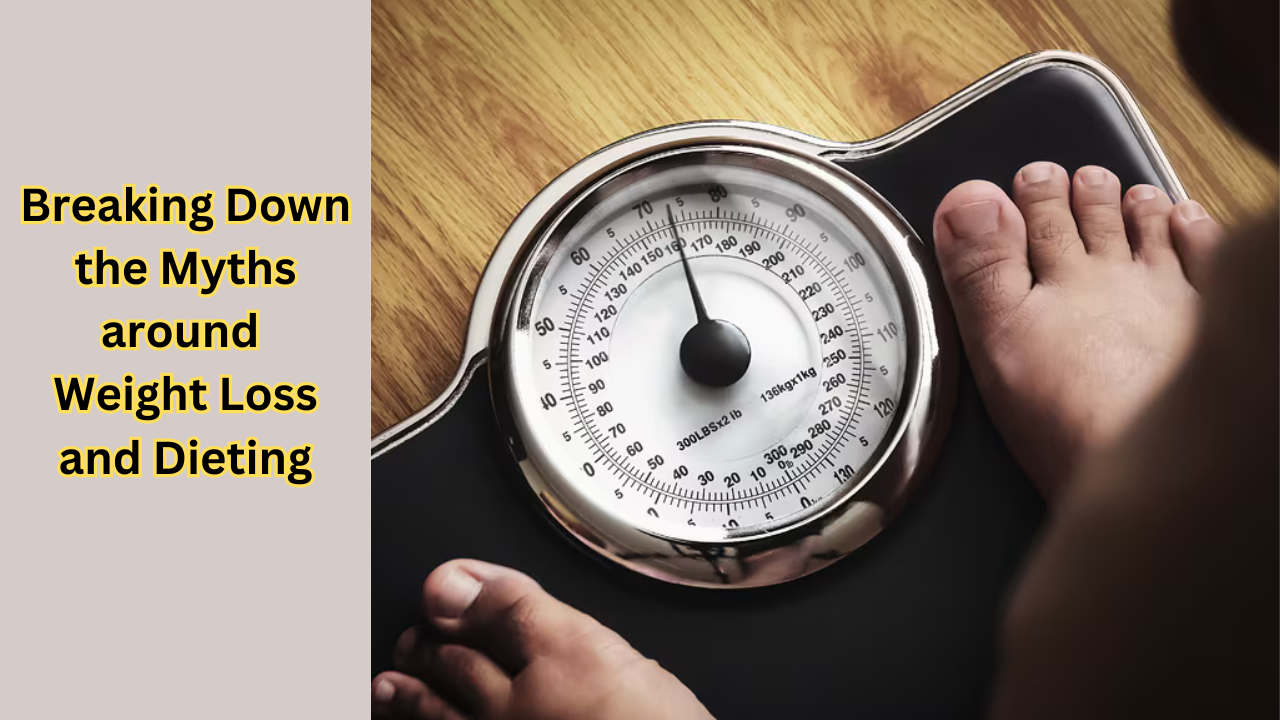
Breaking Down the Myths around Weight Loss and Dieting:
Despite being one of the most talked-about subjects in health and wellness weight loss and dieting are still surrounded by myths. Myths frequently sabotage advancement and encourage bad habits from miraculous diets to false claims. Let us dispel some of the most widespread misconceptions regarding dieting and weight loss separating fact from fiction to assist you in reaching long-term health objectives.
Myth 1: Carbs Are the Enemy
The idea that carbs lead to weight gain is among the most persistent myths. Although cutting carbohydrates may initially result in rapid weight loss this does not imply that carbohydrates are bad. The body needs carbohydrates as an energy source, particularly for the muscles and brain.
The Truth: The type of carbs you consume matters. Opt for whole grains, fruits, and vegetables instead of refined carbs like white bread and sugary snacks. Balance is key.
Myth 2: You Need to Starve to Lose Weight:
Although they may produce immediate results crash diets and severe calorie restriction are neither sustainable nor healthy. The body can lose muscle mass slow metabolism and deplete energy when it is starved.
The Truth: Sustainable weight loss comes from a modest calorie deficit combined with a balanced diet. Aim to nourish your body with nutrient-dense foods instead of depriving it.
Myth 3: Fat-Free Foods Are Better for Weight Loss:
The idea that cutting out fat completely is the secret to losing weight has been strengthened by the popularity of fat-free products. But to make up for the flavor loss many fat-free foods are laden with added sugars which reduces their nutritional value.
The Truth: Healthy fats, like those found in avocados, nuts, and olive oil, are essential for bodily functions and can help you feel full. Focus on quality fats instead of eliminating them entirely.
Myth 4: Eating Late at Night Causes Weight Gain:
A lot of people think that eating after a certain hour inevitably causes weight gain. However, the overall amount of calories consumed as opposed to burned during the day is what largely determines weight gain.
The Truth: Timing plays a smaller role than portion sizes and food choices. Late-night eating can lead to weight gain if it’s linked to mindless snacking or overindulgence, but the key is overall caloric balance.
Myth 5: You Can Target Fat Loss in Specific Areas:
A common misconception that is supported by targeted exercises and devices is the notion that fat can be spot-reduced or removed from particular areas such as the thighs or belly.
The Truth: Fat loss happens uniformly across the body and depends on genetics, diet, and overall activity levels. While targeted exercises can strengthen and tone muscles, they won’t specifically burn fat in those areas.
Myth 6: All Calories Are Equal:
Although a calorie is a unit of energy your body is greatly impacted by the source of those calories. 100 calories from vegetables for instance will have a different effect than 100 calories from a sugary drink.
The Truth: The quality of your calories matters. Nutrient-dense foods provide vitamins, minerals, and fiber that support your overall health, whereas empty calories offer little nutritional value.
Myth 7: Weight Loss Is a Linear Process:
A common expectation is that during a weight loss journey, the number on the scale will gradually decrease. However, things like muscle growth hormonal fluctuations and water retention can cause weight to change every day.
The Truth: Weight loss involves ups and downs. Focus on long-term trends and non-scale victories, like improved energy or fitting into smaller clothes.
Myth 8: Detox Diets Help You Lose Weight Quickly:
Weight loss is accelerated and toxins are purportedly eliminated by detox diets. Although you may initially lose water weight these diets can be dangerously low in calories and frequently lack scientific support.
The Truth: Your body is equipped with organs like the liver and kidneys that detoxify naturally. Instead of relying on restrictive cleanses, prioritize a balanced diet with whole foods.
Myth 9: Exercise Alone Is Enough to Lose Weight:
Even though exercise is important for general health and can help you lose weight its common to rely only on workouts without taking care of your diet.
The Truth: A combination of a healthy diet and regular exercise yields the best results. Weight loss is largely influenced by dietary choices, while exercise helps build muscle and improve metabolism.
Myth 10: Supplements and Pills Can Replace Healthy Habits:
Supplements for weight loss frequently offer short-term solutions but infrequently produce long-term effects. Some could even be harmful to your health.
The Truth: No pill or powder can replace the benefits of a balanced diet and regular physical activity. Focus on sustainable habits rather than shortcuts.
Embracing the Truth about Weight Loss:
You can make wise decisions on your weight loss journey if you know the truth about these myths. These practical pointers will help you:
- Set realistic goals: Aim for steady progress rather than rapid weight loss.
- Practice mindful eating: Pay attention to hunger and fullness cues to avoid overeating.
- Stay consistent: Build habits that you can maintain long-term.
- Seek professional advice: Consult a nutritionist or dietitian for personalized guidance.
Weight loss is about developing a lifestyle that promotes your health and well-being not about using tricks or quick fixes. You can concentrate on what works and attain long-term success by dispelling these myths.
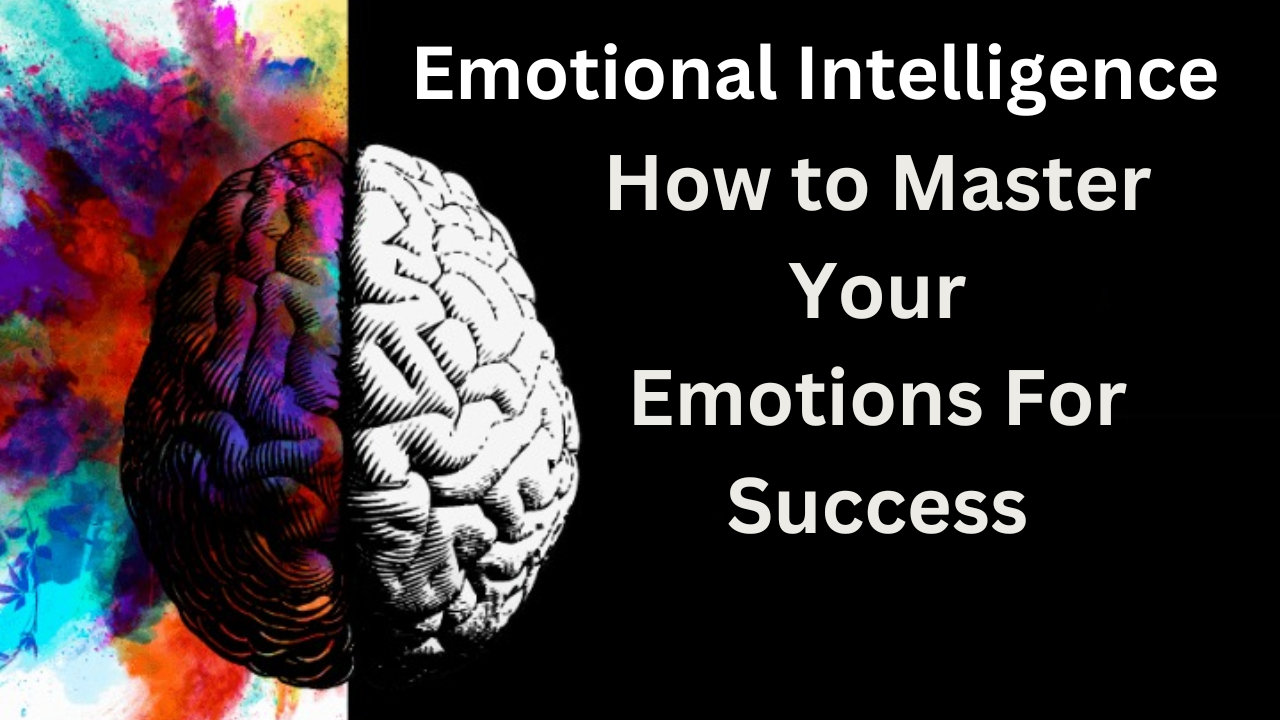
Emotional Intelligence | How to Master Your Emotions for Success:
One of the most important components for both professional and personal success in the modern world is emotional intelligence (EI) also known as emotional quotient (EQ). While IQ a measure of traditional intelligence concentrates on cognitive skills like memory logical reasoning and problem-solving emotional intelligence explores how well people control their emotions and deal with social complexity. This special type of intelligence is crucial for resilience in decision-making and general mental health in addition to influencing interpersonal relationships.
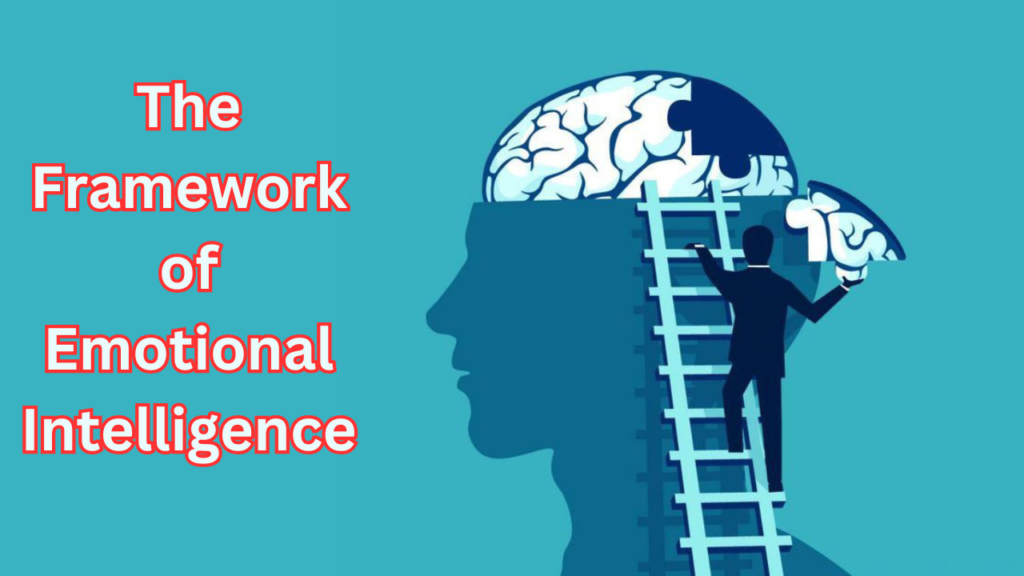
The Framework of Emotional Intelligence:
With his book Emotional Intelligence: Why It Can Matter More Than IQ psychologist Daniel Goleman popularized the idea of emotional intelligence in the 1990s. Self-awareness self-regulation motivation empathy and social skills are all components of emotional intelligence according to Goleman. In contrast to IQ which is largely constant throughout life emotional intelligence is something that can be improved. Emotional mastery is more than just managing your anger or sadness it’s about developing a deep understanding of both yourself and other people to promote success growth and harmony.
Self-Awareness: The Foundation of Emotional Intelligence
The journey to mastering emotions begins with self-awareness. Self-awareness involves recognizing and understanding your emotions as they arise. This level of consciousness enables you to discern how your feelings influence your behavior, thoughts, and interactions with others. For example, a person who feels frustrated at work might unconsciously project their irritation onto colleagues. However, someone with high self-awareness would recognize their frustration and channel it productively, such as by taking a short break or addressing the source of the problem constructively. Journaling, mindfulness, and seeking feedback from others are effective ways to enhance self-awareness. Through consistent practice, individuals become better equipped to identify emotional triggers and respond thoughtfully rather than react impulsively.
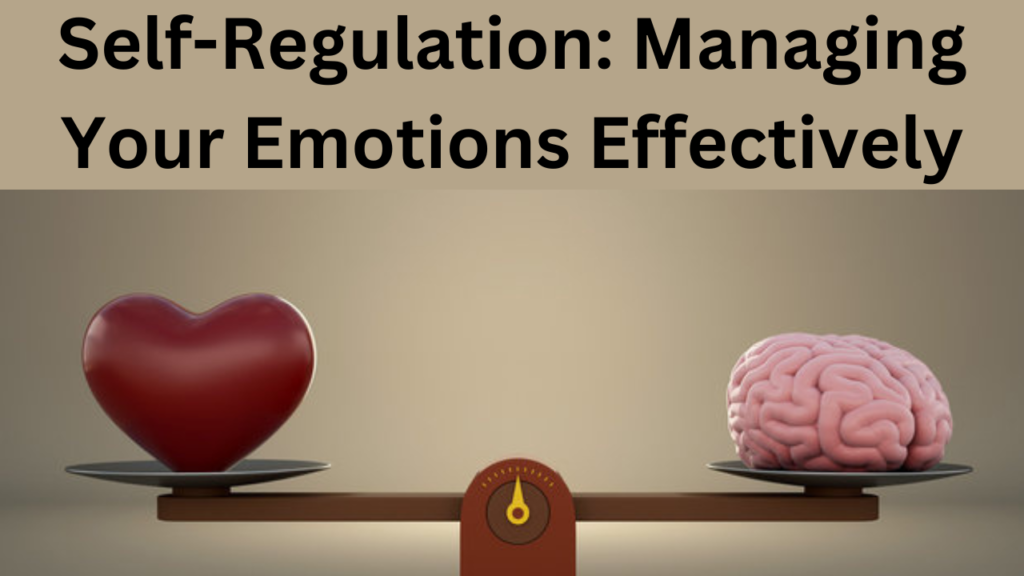
Self-Regulation: Managing Your Emotions Effectively:
Effectively controlling and managing your emotions is known as self-regulation and it is closely related to self-awareness. Although feeling angry disappointed or anxious is normal how you respond to these feelings defines your emotional intelligence. Self-regulation is recognizing your emotions and reacting in ways that are consistent with your values and objectives not repressing or ignoring them. For example, a person with strong self-regulation would listen to criticism without becoming defensive or dismissive consider the feedback, and take appropriate action. People can manage stress and remain composed under pressure by using strategies like deep breathing meditation and cognitive reframing.
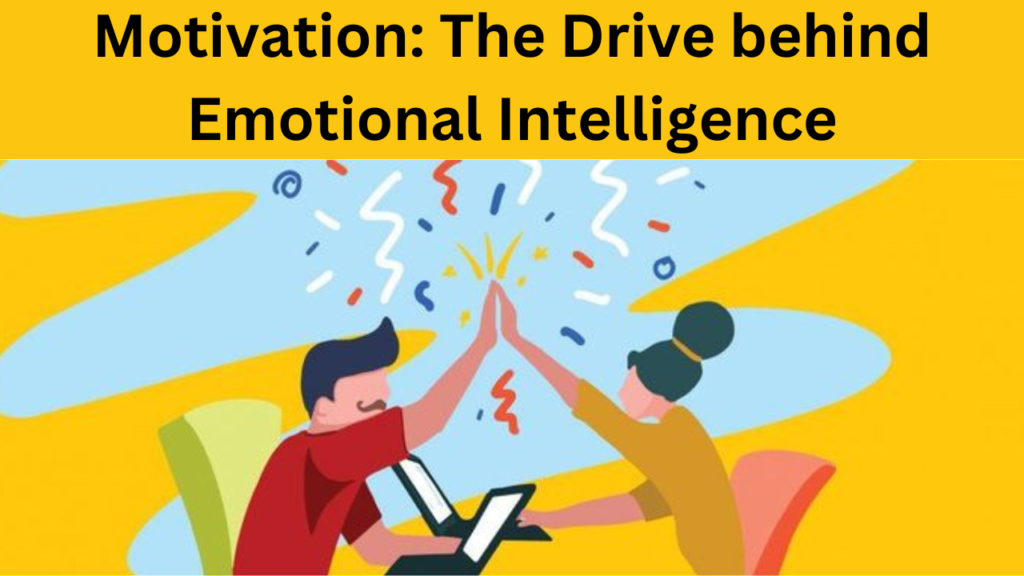
Motivation: The Drive behind Emotional Intelligence:
An additional pillar of emotional intelligence is motivation. One of the characteristics of emotionally intelligent people is intrinsic motivation or the desire to pursue objectives for one’s fulfillment rather than for benefits from outside sources. Even when faced with obstacles they have a propensity to approach problems with hope and tenacity. Developing motivation entails establishing specific meaningful objectives and decomposing them into doable tasks. Appreciating minor triumphs along the route increases momentum and creates a sense of accomplishment. Additionally sustaining a growth mindset encourages resilience and sustains motivation in the face of adversity by emphasizing learning and progress.
Empathy: Strengthening Connections with Others:
Empathy, the ability to understand and share the feelings of others, is a fundamental component of emotional intelligence that strengthens interpersonal relationships. Empathy goes beyond merely sympathizing with someone; it requires active listening and putting oneself in another person’s shoes. This skill is particularly valuable in leadership and team settings, where understanding diverse perspectives can lead to better collaboration and problem-solving. Developing empathy involves practicing patience, observing nonverbal cues, and being genuinely curious about others’ experiences. By fostering empathy, individuals create a supportive and inclusive environment that nurtures trust and mutual respect.
Social Skills: Building Relationships and Resolving Conflicts:
Effective communication conflict resolution and rapport-building are just a few of the skills that make up social skills the last pillar of emotional intelligence. People with strong social skills can interact with others manage group dynamics and have a positive impact on relationships. These abilities translate into productive teamwork networking and leadership in work environments. Improving social skills necessitates practicing diplomacy improving communication skills and actively interacting with others. For instance, when resolving conflicts concentrating on the problem rather than the individual encourages productive discussion and eases tension.
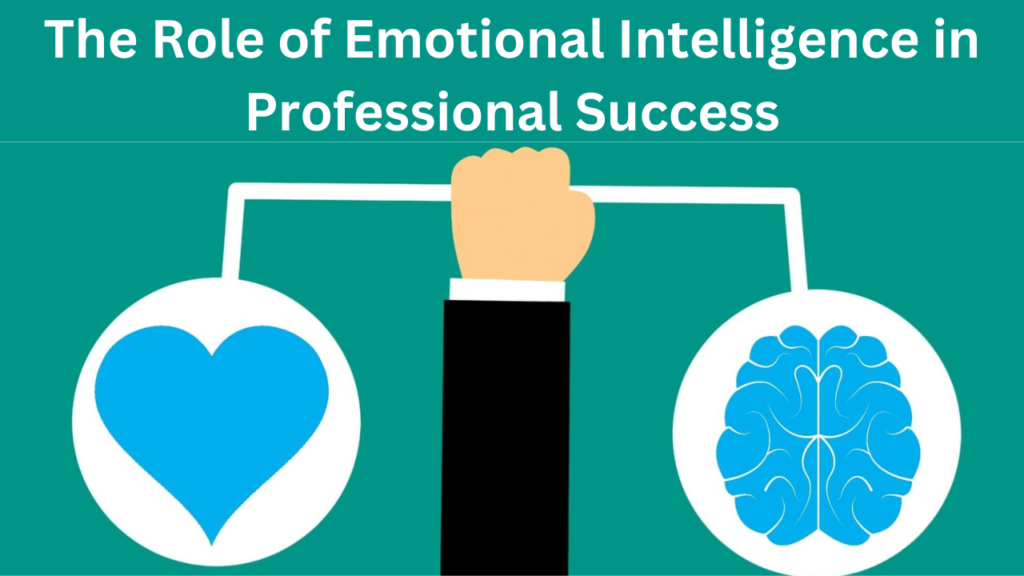
The Role of Emotional Intelligence in Professional Success:
Gaining success in a variety of areas of life is significantly impacted by developing emotional intelligence. It is becoming more widely acknowledged in the workplace as a crucial factor in determining team performance and leadership efficacy. Emotionally intelligent leaders encourage cooperation build trust and respond resiliently to setbacks.
By recognizing each person’s needs and strengths they are adept at leading diverse teams and fostering a positive productive work atmosphere. Emotionally intelligent workers are valuable assets in any organization because they improve flexibility problem-solving skills and the capacity to take constructive criticism.
Emotional Intelligence and Personal Well-Being:
Emotional intelligence has a big impact on relationships and general well-being in addition to career success. Due to their ability to communicate honestly and settle disputes amicably emotionally intelligent people typically build stronger more meaningful relationships with others.
At this stage of emotional development people learn to manage their emotions without becoming overwhelmed which also leads to increased self-acceptance and decreased stress. They build a happy and balanced life by cultivating a positive emotional environment in both their relationships and themselves.
Developing Emotional Intelligence: A Lifelong Commitment:
Developing emotional intelligence is a continuous process that calls for dedication and introspection. It entails being open to vulnerability and taking lessons from all experiences even the difficult or uncomfortable ones. Insights and inspiration can also be gained by surrounding oneself with encouraging mentor friends or coworkers who exhibit emotional intelligence. Additionally incorporating techniques like mindfulness consistent self-evaluation and asking for helpful criticism can hasten progress in this area.
It is impossible to overestimate the significance of emotional intelligence in the connected world of today where technology frequently eclipses interpersonal communication. Even though technical know-how and abilities are still crucial they are not enough to succeed in intricate social settings. By giving people the skills to manage relationships make wise decisions and lead satisfying lives emotional intelligence helps close this gap. Investing in emotional intelligence is becoming not only desirable but also necessary as soft skills and emotional resilience are valued more and more in the workplace.
Conclusion:
In conclusion, emotional intelligence is a powerful tool for mastering emotions and achieving success. By enhancing self-awareness, practicing self-regulation, cultivating intrinsic motivation, developing empathy, and refining social skills, individuals can unlock their full potential and create a positive impact on those around them. Whether in personal relationships, professional endeavors, or individual growth, emotional intelligence serves as a guiding compass, steering us toward meaningful and rewarding outcomes. The journey toward emotional mastery is not without its challenges, but the rewards it offers in terms of resilience, connection, and fulfillment make it an endeavor worth pursuing.

Wind | Why Is It So Important and What If It Didn’t Exist?
Wind is a fundamental element of Earth’s climate and environmental systems, playing a pivotal role in sustaining life and shaping the planet’s surface. Though often unnoticed in daily life, the significance of wind becomes strikingly clear when considering its many functions, from driving weather patterns to generating renewable energy. But what if wind didn’t exist? This hypothetical scenario offers a fascinating exploration of how interconnected Earth’s systems truly are.
The Basics of Wind: What Is It?
The wind is nothing but the motion of air due to differences in atmospheric pressures. Such pressure differences basically occur due to uneven heating of the Earth’s surface by the sun. The warm air rises to create low-pressure areas, while cooler air comes down, creating high-pressure zones. And it is this that determines the motion of air as wind from a zone of high pressure to that of a low-pressure area.
This process, while it seems simple, is influenced by the Coriolis Effect, where wind curves owing to the rotation of the Earth, and by local geographical features such as mountains and valleys. All these elements put together result in the global wind patterns comprising trade winds, westerlies, and polar easterlies.
Wind’s Role in the Ecosystem:
Wind is not a breeze that just passes, it is a lifeline to ecosystems around the world.
- Pollination and Seed Dispersal: Most plants depend on wind for the transportation of pollen and seeds over long distances. In the absence of wind, many species, such as wheat, corn, and evergreen trees, would hardly reproduce, thus affecting the entire ecosystem.
- Habitat Formation: Wind erodes rocks and sediments, leading to the development of topography and landforms that may result in the formation of habitats such as sand dunes and valleys, which are home to different species.
Wind and Climate Regulation:
In many ways, wind regulates Earth’s climate.
- Ocean Currents: Winds give rise to surface ocean currents, such as the Gulf Stream, which distribute heat around the planet. In so doing, it moderates temperatures and maintains marine ecosystems.
- Temperature Equalization: Wind transfers heat from warmer to cooler regions, reducing extreme temperatures and making the world much more habitable. Without wind, heat would stagnate in certain areas, creating areas of extreme temperatures that are uninhabitable and would greatly alter the climate of the planet.
Human Dependence on Wind:
All the same, the wind has continued throughout history as an essential element in human civilization’s usage.
- Transportation: Suddenly, with their wind-powered sailboats, trade, and exploration jumped to a whole new level as different cultures and economies became intertwined.
- Agriculture: Farmers have conventionally utilized wind for various purposes, including drying out crops and preventing frost.
- Energy: To this end, the wind turbine has become symbolic of renewable energy in such a modern way to supply people in their millions with clean-sustained power. Without wind, all these critical benefits would not be reaped by humans, which would require societies to adapt to more energy-intensive and less sustainable practices.
What If Wind Didn’t Exist?
The importance of the wind can be imagined from a world without it. Here are some possible happenings:
1. Climate Inactivity:
No wind would mean no atmospheric circulation, where the tropics would go through a build-up of heat and the Polar Regions become increasingly cold. Such extreme weather would render quite a significant portion of the planet uninhabitable.
2. Ocean Currents Collapse:
The ocean currents, driven by wind, would no longer function; marine ecosystems, fisheries, and weather patterns would be disrupted worldwide, leading to food shortages and economic instability.
3. Ecological Decline:
If wind-driven pollination and seed dispersal did not happen, plant biodiversity would go down. That, in turn, would affect herbivores, then predators, and right up to humans, depending on such an ecosystem.
4. Energy Crisis:
If the wind were to disappear, then wind power would no longer be a source of renewable energy. This would lead to greater reliance on fossil fuels, accelerating climate change and undermining any transition toward a sustainable energy future.
The Role of Wind in Weather Patterns:
The engine behind so many weather phenomena, from the gentle breeze to the strong hurricane, is wind.
- Rain Distribution: Wind carries moisture from the ocean to land, thus allowing precipitation and fostering agriculture.
- Storm Formation: The dynamics of wind can give birth to thunderstorms, cyclones, and tornadoes. These are disastrous events, yet part of the natural cycle that replenishes ecosystems. Without wind, the weather would deteriorate, leading to droughts in some regions and perpetual rainfall in others.
Wind and Cultural Significance:
Wind has long served as an inspiration for several myths, artworks, and literature. From Aeolus, the Greek god of winds, to the poetic metaphors of change and freedom, the wind strikes a deep cultural chord, the symbol of movement, transformation, and the unseen forces that mold our lives.
A no-wind world would leave the cultures grieving for such a profoundly symbolic resource and alter humanity’s relationship with nature.
Renewable Energy and Sustainability:
Wind energy is one basis in the transition towards global sustainability.
- Scalability: Wind farms may be either onshore or offshore and have a flexible approach in relation to energy demand.
- Environmental Benefits: Wind energy does not release greenhouse gases, unlike the combustion of fossil fuels; it therefore assists in the struggle against global warming.
- Economic Growth: The wind energy sector creates jobs, in manufacturing and maintenance, and even in research.
In a world without wind, these advantages would disappear, and struggling with climate change would be even more difficult.
Lessons from the Absence of Wind:
The hypothetical absence of wind serves to point out the interrelation of Earth’s systems: a reminder to appreciate and care for natural processes, which most often go unseen, yet are crucial in life as we know it.
1. Resilience and Adaptation:
Societies will have to learn to construct resilience against disruptions of natural systems by employing innovation and more sustainable practices.
2. Education and Awareness:
Understanding the role of wind in the environment creates a greater appreciation and motivates actions to reduce human impacts on natural systems.
Conclusion:
Wind is far more than a passing natural phenomenon, it is a cornerstone of life on Earth, shaping ecosystems, climates, and human civilizations. Its absence would lead to profound ecological, economic, and social challenges. By understanding and valuing wind’s importance, we can take steps to protect and sustainably harness this vital resource for future generations.
FAQs
Q1: How is wind formed?
Wind forms due to differences in atmospheric pressure, driven by the uneven heating of the Earth’s surface by the sun.
Q2: What are the types of winds?
Winds are classified as planetary winds (e.g., trade winds), periodic winds (e.g., monsoons), and local winds (e.g., land and sea breezes).
Q3: Why is wind important for renewable energy?
Wind provides a sustainable, clean energy source, reducing reliance on fossil fuels and lowering greenhouse gas emissions.
Q4: How does wind affect the weather?
Wind influences weather by distributing heat, carrying moisture, and driving the formation of storms and precipitation.
Q5: What happens if the wind stops?
Without wind, Earth would experience climate stagnation, ecological decline, and disruptions to energy, agriculture, and weather patterns.
Q6: How can we harness wind energy effectively?
Wind energy can be harnessed through wind turbines, which convert kinetic energy into electricity. Innovations in turbine design continue to improve efficiency and reduce costs.
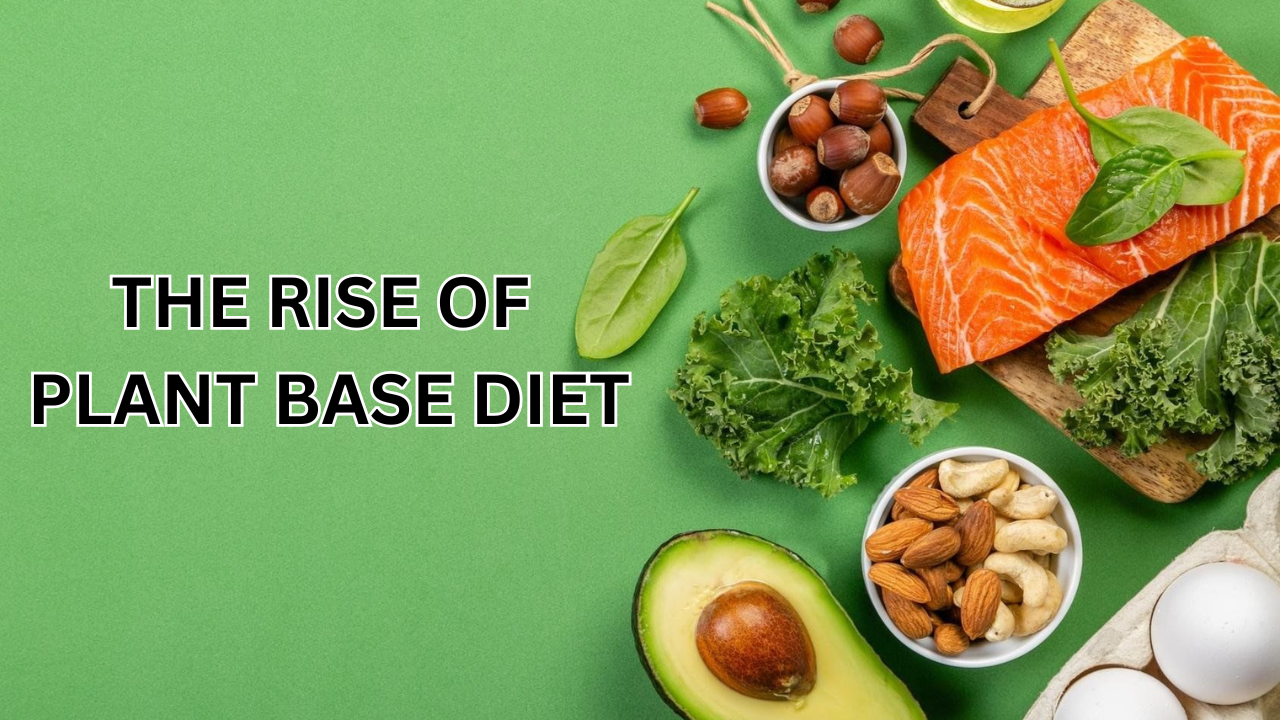
The Rise of plant base diet:
In recent years, plant-based diets have moved from niche lifestyles to mainstream dietary choices embraced by millions around the world this shift reflects a growing awareness of the health environmental, and ethical benefits associated with consuming fewer animal products and more plant-based foods scientific research highlights the advantages of plant-based eating such as lower risks of chronic diseases and improved overall well-being individuals are increasingly motivated to explore these diets.
Concerns over climate change and animal welfare are driving people to consider how their food choices impact the planet and other species with a surge in plant-based options from meat and dairy alternatives to a wide variety of fruits, vegetables, and grains, adopting a plant-based diet has never been more accessible or appealing this movement represents a significant change in modern dietary habits and points toward a future where plant-based eating could become a global standard.
Types of Plant Base Diet:
There are several types of plant-based diets each varying in the extent to which animal products are included or excluded the most common type is a vegan diet which eliminates all animal products including meat, dairy, eggs, and honey in favor of plant-derived foods such as fruits, vegetables, grains, legumes, and nuts vegetatrian diet also excludes meat but may include dairy products and eggs.
Some individuals follow a flexitrain diet which is primarily plant-based but allows occasional consumption of meat or animal products another variation is the whole food plant-based diet which focuses on minimally processed plant foods and excludes processed foods, oils, and refined sugars raw food diets emphasize eating unprocessed, raw plant foods, often with an emphasis on organic produce.
Global Trends and Statistics:
Global trends in the use and impact of ionizing radiation have evolved significantly over the years with advances in technology and a growing understanding of its biological effects radiation is widely used in medical diagnostics, cancer treatment industrial applications, and scientific research the global increase in medical imaging and radiotherapy procedures has raised concerns about the cumulative effects of radiation exposure on both patients and healthcare professionals.
Statistics show that the number of diagnostic imaging procedures, such as X-rays and CT scans has risen sharply in recent decades, contributing to higher radiation doses in populations according to the World Health Organization (WHO) approximately 3.6 billion imaging procedures are conducted annually worldwide many of which involve ionizing radiation.
As such international agencies including the International Atomic Energy Agency (IAEA) continue to develop and refine radiation protection guidelines, aiming to balance the benefits of radiation use with the need to minimize harmful effects global efforts are also focused on improving safety protocols and implementing preventive measures to reduce radiation exposure in occupational settings and everyday environments.
Influencers and Advocates:
Influencers and advocates play a crucial role in shaping public opinion and raising awareness about various causes products or ideas influencers, often individuals with a large following on social media platforms can impact consumer behavior and social trends by promoting brands, lifestyle choices, or social issues advocates on the other hand are typically individuals or organizations that actively support
While both influencers and advocates can have similar goals the key difference lies in their methods influencers often rely on personal branding and social media engagement while advocates may engage in activism, policy work, or community outreach together these groups have the power to foster change spread knowledge and inspire others to take action for causes they care about.
Challenges and Considerations:
The challenges and considerations faced by influencers and advocates are multifaceted and often require careful navigation one of the primary challenges is maintaining authenticity and credibility in an era where misinformation and superficial endorsements are common Influencers may face pressure to promote products or ideas that do not align with their values potentially damaging their trust with followers.
Advocates meanwhile must grapple with the complexities of affecting real policy change or mobilizing people toward long-term commitments both groups need to consider the ethical implications of their actions particularly when advocating for sensitive issues or promoting controversial products the growing influence of digital platforms also raises concerns about data privacy, censorship, and the potential for exploitation as they work to engage their audiences influencers and advocates must balance these challenges with their goals ensuring that their messages are both impactful and responsible.
Benefits:
Ionizing radiation has a range of benefits, particularly in medicine, industry, and scientific research medicine it plays a crucial role in diagnostic imaging such as X-rays and CT scans which allow for non-invasive observation of internal structures and early detection of diseases Radiation therapy is also a cornerstone in treating various types of cancer where it helps to target and destroy malignant cells while minimizing damage to surrounding healthy tissue.
In the field of industry ionizing radiation is used in the sterilization of medical equipment food preservation and quality control through radiography furthermore ionizing radiation is an essential tool in scientific research particularly in fields like radiology nuclear physics, and environmental studies where it helps to advance knowledge and develop new technologies Despite concerns over its risks the controlled use of ionizing radiation has proven to be an invaluable resource in numerous sectors.
Gratitude: How to Make It a Daily Habit for Joyful Living:
Set in the whirlwind of day-to-day life the small blessings we’re surrounded with every day may be easily forgotten. But one of the easiest yet most effective strategies to improve your overall well-being is by developing gratitude. There is abundant research that shows that practicing gratitude leads to happier, less stressed, and even physically healthier lives. But how do you make gratitude a habit, when the world so often trains us on what we don’t have?
In this article, we’ll explore the transformative power of gratitude and provide actionable steps to integrate it into your daily routine for a more joyful and fulfilling life.
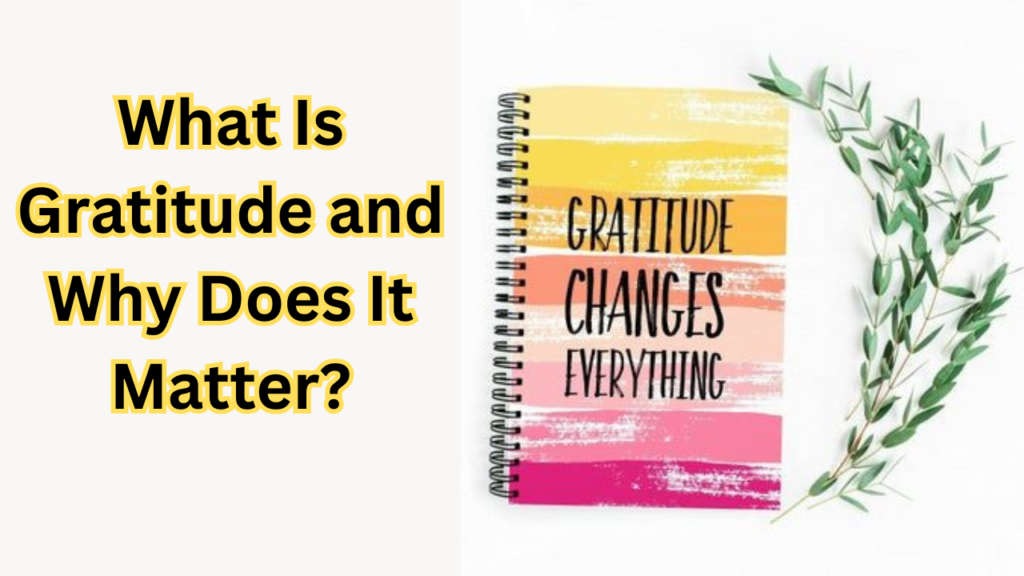
What Is Gratitude and Why Does It Matter?
Saying thank you is not the only expression of gratitude. It involves having a profound appreciation for the people events and possessions that make your life worthwhile. Recognizing these blessings causes your brain to release the feel-good chemicals serotonin and dopamine which lower stress and increase happiness.
Research suggests that gratitude can:
- Strengthen relationships
- Improve mental and emotional health
- Enhance sleep quality
- Boost self-esteem
- Encourage resilience during difficult times
Being grateful helps you concentrate on what’s right rather than what’s wrong which makes it easier to find joy even in trying times.
The Science Behind Gratitude:
Gaining knowledge of the science behind gratitude can help make its advantages more apparent. According to a study in Frontiers in Psychology people who practiced gratitude saw improvements in their mood and mental health that lasted for a long time. A positive outlook on life is reinforced by gratitude which activates brain regions linked to reward morality and interconnectedness.
Furthermore, gratitude has a ripple effect. When you express thankfulness, it encourages others to do the same, fostering a culture of positivity in your social circles.
Although it is frequently dismissed as a mere expression of gratitude gratitude has strong scientific foundations that impact mental emotional and physical health. Fundamentally gratitude is an appreciation of lifes good things which strengthens bonds between people and their surroundings. Gratitude activates brain areas linked to reward and social bonding including the ventral striatum and medial prefrontal cortex according to psychology and neuroscience research. Feel-good neurotransmitters like serotonin and dopamine are released in these areas improving mood and fostering long-term happiness. Moreover cultivating gratitude can lessen anxiety and promote emotional resilience by lowering cortisol levels the body’s main stress hormone.
Gratitude affects physical health as well. Research indicates that people who express gratitude regularly have better heart health lower blood pressure and better sleep. This may be the case because being grateful promotes healthful habits like exercising eating better and following medical advice. Gratitude fosters empathy and mutual appreciation which are essential for preserving connection and trust in social interactions. Writing about what one is grateful for in a gratitude journal has become more and more popular because it has been shown to gradually rewire the brain to be more positive.
Essentially being grateful is a transformative practice supported by science rather than a transient emotion. People can cultivate stronger relationships improve their general quality of life and cultivate an optimistic outlook that finds the positive in even the most difficult situations by adopting an attitude of thankfulness.
Barriers to Gratitude:
Even though it has many advantages many people find it difficult to regularly practice thankfulness. The following are typical obstacles:
- Negativity bias: Our brains are wired to focus on threats and problems rather than positive experiences.
- Busy lifestyles: In a modern 21st-century world, it’s easy to overlook moments of joy.
- Comparison culture: Feelings of inadequacy are frequently exacerbated by social media making it more difficult to appreciate what you have.
Overcoming these barriers requires intentionality and practice.
How to Cultivate Gratitude Daily:
A powerful technique that can change your perspective and improve your general well-being is practicing gratitude every day. First start a gratitude diary in which you list three things for which you are grateful every day. This easy exercise aids in changing attention from problems to life’s good things. Adding mindfulness is another powerful strategy to cultivate gratitude pausing to appreciate small commonplace things such as a warm cup of coffee or a supportive remark from a coworker can increase your sense of gratitude. Thanking people whether via a sincere message text or just a thank you improves relationships and spreads happiness. Furthermore before going to bed repeating affirmations or thinking back on pleasant experiences can support an attitude of gratitude. Integrating these practices into your daily routine fosters a persistent attitude of thankfulness that improves happiness lowers stress levels and fortifies emotional fortitude.
Creating a gratitude habit doesn’t have to be time-consuming or complicated. Here are practical steps to incorporate gratitude into your daily life:
- Start a Gratitude Journal:
Putting your blessings in writing is one of the best ways to develop a habit of gratitude. Spend a few minutes every day writing down three to five things that you value. A warm cup of coffee a supportive remark from a friend or the splendor of a sunset could all be considered examples of these.
- Practice Mindful Gratitude:
As you go about your everyday business take a moment to enjoy the here and now. Whether you’re eating walking or spending time with loved ones mindfulness helps you appreciate the small pleasures that are sometimes overlooked.
- Express Gratitude to Others:
Recognize and express gratitude to those who improve your life. Send a brief message write a heartfelt note or thank them in person. This improves your happiness and fortifies your bonds with others.
- Create Visual Reminders:
Put sticky notes with questions about gratitude in places that people can see like your desk refrigerator or mirror. You may be encouraged to concentrate on the good things that happened during the day by these reminders.
- Use Technology Mindfully:
Make use of applications to assist you in monitoring your practice of gratitude. As an alternative avoid online negativity and follow accounts or pages that promote optimism.
6. Reflect Before Sleep:
Consider the highlights of your day no matter how minor as you wrap it up. This habit can help you sleep better and start the day off on a good note.
The Role of Gratitude in Relationships:
Having gratitude is essential for establishing and preserving relationships. Your loved ones will feel appreciated and loved when you express gratitude to them. A simple thank you or gesture of kindness can have a significant impact on enhancing trust and communication. By concentrating on a relationship’s positive aspects gratitude helps avoid needless arguments and misunderstandings. Additionally, it promotes a reciprocal cycle of giving and receiving wherein both parties are inspired to be kind and considerate. Regular expression of gratitude strengthens bonds between people by fostering deeper healthier and more meaningful connections.
The foundation of wholesome and satisfying relationships is gratitude. Trust and respect are fostered when you continuously express gratitude to your partner friends or coworkers. Recognizing someone’s efforts or simply saying thank you can have a significant impact on your relationship.
Together with a loved one think about beginning a gratitude journal or having regular conversations about your blessings. This exercise strengthens your connection and assists you both in concentrating on your relationship’s advantages.
The Transformative Power of Gratitude during Challenges:
During difficult times gratitude can be particularly effective. Finding reasons to be grateful in the face of hardship may seem counterintuitive but it can keep you resilient and in perspective.
For example:
- If you’re facing a setback at work, focus on the skills and experiences you’ve gained.
- During health challenges, appreciate the support system around you.
- In moments of uncertainty, be thankful for your ability to adapt and learn.
One way to foster optimism and hope is to reframe obstacles as chances for development.
How to Stay Consistent:
It takes consistency to develop an attitude of gratitude. These pointers will help you stay on course:
- Set reminders: Use alarms or calendar notifications to remind yourself to practice gratitude.
- Make it social: Share your gratitude practice with a friend or family member to stay accountable.
- Celebrate progress: Recognize the changes in your mindset and mood as you practice gratitude.
Remember, gratitude is a journey, not a destination. Be patient with yourself as you develop this habit.

Gratitude as a Lifestyle:
A positive outlook and long-lasting happiness can result from incorporating thankfulness into your daily routine. Finding things to be grateful for even in everyday situations is what it means to live a life of gratitude. For instance, you may be grateful for the sunshine a satisfying meal, or quality time with family and friends. This way of thinking lowers stress and boosts contentment by assisting you in concentrating on your possessions rather than your shortcomings. Because expressing gratitude builds bonds and spreads positivity it also enhances relationships. Saying thank you frequently journaling or thinking back on the positive aspects of your day are all easy ways to make gratitude a regular part of your routine. Your brain is gradually rewired to notice more positive things as a result of this practice which makes life feel richer and more rewarding. Being grateful not only enhances your mental well-being but also makes people around you more compassionate and joyful.
Gratitude changes your perspective on life when it becomes a daily habit. You will become more resilient happier and more socially connected. With time being grateful becomes a natural aspect of who you are rather than a conscious practice.
Imagine waking up daily with a sense of abundance, appreciating life’s simple pleasures, and feeling deeply connected to the world around you. That’s the power of gratitude.
Conclusion:
More than just a passing feeling gratitude is a way of life that promotes happiness fortitude and community. You can unleash its transformative potential and lead a happier more fulfilling life by implementing tiny regular practices into your everyday routine.
So why delay? Begin your path to gratitude now. Every action you take whether it is writing in a journal saying thank you with sincerity or just pausing to think moves you one step closer to living a heartfelt and joyful life.
FAQS:
What is gratitude, and why is it important?
Gratitude involves a deep appreciation for people, events, and possessions that make life meaningful. It promotes mental, emotional, and physical well-being by fostering happiness, lowering stress, improving relationships, and enhancing resilience.
How does gratitude affect mental and physical health?
Gratitude activates brain areas associated with reward and social bonding, releasing serotonin and dopamine, which elevate mood and reduce stress. It also improves heart health, lowers blood pressure, and encourages healthy habits like exercise and mindfulness.
What are the common barriers to practicing gratitude?
Barriers include negativity bias, which focuses on problems over positives; busy lifestyles, which overshadow moments of joy; and comparison culture, often fueled by social media, which amplifies feelings of inadequacy.
How can I integrate gratitude into my daily life?
Practical strategies include maintaining a gratitude journal, practicing mindful appreciation of small moments, expressing gratitude to others, using visual or technological reminders, and reflecting on positive experiences before sleep.
How does gratitude improve relationships?
Gratitude strengthens relationships by fostering trust, communication, and mutual appreciation. Expressing gratitude through words or gestures deepens connections, reduces conflicts, and promotes a positive cycle of giving and receiving.
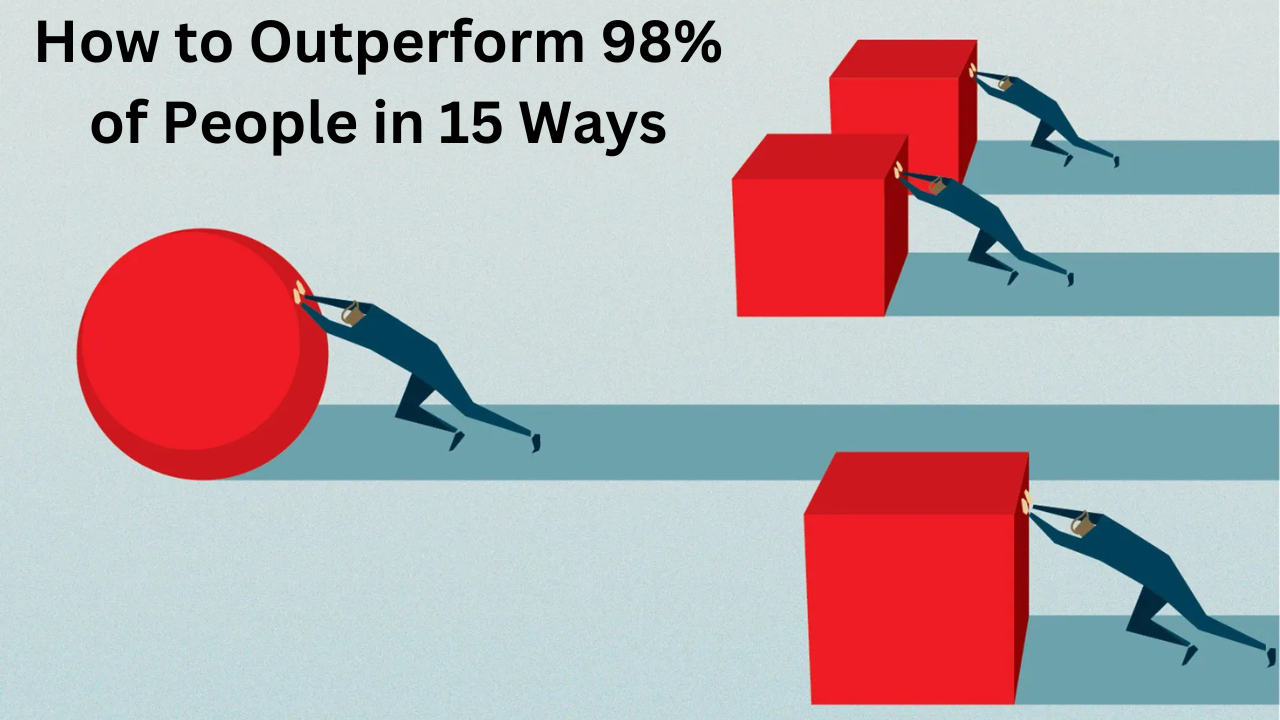
How to Outperform 98% of People in 15 Ways:
98% of people aren’t living up to their full potential they form their opinions Based on superficial things that they hear they can’t manage themselves but They also don’t think enough about themselves.
What they want and what makes them happy are all things that lead to underperformance not by society’s standards but by the way you feel, and that’s stopping you from reaching the things that you’re truly capable of. If you can master and overcome the things that most people struggle with, you will get ahead, so let’s get into it. Here are 15 ways to get ahead of 98% of people.
Get Your Normal Life in Order First:
Starting with number one get your normal life in order first how can you start a new course apply for different jobs or even get married when your everyday life is a hot mess you can’t well technically, yeah you can but it will be a show most people Aren’t help back because they don’t have the skills and opportunities to progress.
They’re weighed down by the chaos in their personal lives the chaos can range from really simple things like a messy home space and a boring unhealthy routine to more complicated stuff like high debt and a bad relationship research shows that romantic relationships at home have a major impact on how people perform at work you can’t work well when you’re stressed about your home life Research by the University of Mexico shows how clutter and mess in your home affect your well-being too as well as what you eat and your mental health.
So before you can do all of the things you have to do to get ahead of everyone else you need to get off the same footing as them and you can do that by creating a structured orderly life with things you can control you want to be more productive well studies show that having a structured and organized life leads to better productivity and mental well-being.
So that is where you start you start with the basics clean up your environment create an interesting but structured routine and fix your relationships most people don’t have this so if you fully commit yourself to fixing these things you’ll get way ahead of them.
Find a Truth that Most People Dismiss:
Number two find a truth that most people dismiss there are some truths out there that we hear every day and we think everyone else is following it so we don’t consider it a gold mine of knowledge but the thing is those people are just like you they make hear the truths but they’re not living by them.
They think it is common knowledge that the rest of the world is following too but if you watch carefully most people are still following the crowd most people are still working with one stream of income that they get working for a company even though we know how multiple streams of income even if they’re small are more likely to grow over time even though.
We know that we live in an era where starting a business is much more accessible and it’s something that you can do in your free time it’s like the experts are shouting at everyone to move differently, the crowd is marching and some people look back but they keep moving on with everyone else you might be that one person who looks back and then turns around sure you might be walking in a different direction.
But the crowd isn’t walking to a destination you want so you’re not missing out on anything here Niche markets are more profitable than Mass ones everyone thinks that AI is going to replace art so people are learning to code but wait think coding is more definitive art is a lot broader AI works well within limits not outside of them.
So in the next few years what’s going to be in demand you find the truths by looking at the things people struggle with by seeing what’s unpopular and why and by following contrarian thinkers like Nasim TB or Peter Teal a small percentage of people understand the value of a truth that most people dismiss and an even smaller percentage follow through with some action on that truth if you follow through you’re Already ahead of most in the world whether you succeed or not and on a similar note.
Be Contrarian Just for the Sake of It:
Number three is contrarian just for the sake of it Irish poet Oscar Wild once said most people are other people their thoughts are someone else’s opinions their lives a mimicry of their passions a quotation if you can move away from that and form your own Opinions.
You’ll get ahead of everyone else you’ll get to know yourself better while everyone else is still unhappy and confused about it and you do that by challenging conventional thinking to be contrarian just for the sake of it not to argue but to see which divisive
things you agree with think about this when most people are planning their holidays they look for Instagram Mable places the top-rated cafes when they’re planning their health.
The journey they look for the best-reviewed diets and exercise programs when they’re stressed they talk about how stressed they are when they’re broke they talk about inflation and the cost of living everyone is saying the same damn thing there are no original thoughts the quickest way to find out what makes you tick is to say the opposite thing to everyone else you’ll eventually start adopting different ways of thinking and You’ll begin to understand yourself outside of what the crowd is following so instead of saying you’re broke because of inflation, you could say you’re broke because you decided to spend a bit more money on organic food.
This month it doesn’t have to be true you just have to get your mindset to move away from what everyone else is thinking and saying that is how you master your emotions your mind and your resilience whatever the world is doing right now isn’t working so do the opposite.

Listen to What Other People Say They’re Afraid to Do, Then Do It:
Number four listen to what other people say they’re afraid to do then do it yourself in conversations with your friends colleagues and networking events stop talking about You listen to other people listen to them talk about their ideas that they didn’t manage to get off the ground listen to them talk about things They’re struggling with and ask them about the things they’re afraid of always ask why are they afraid if one person is afraid then it means there’s a good chance a lot of other People are too so there is a gap for you.
You just have to be the one who isn’t scared when others are too scared to take action that’s when you step into the things that intimidate other people are the things that are going to push you forward there’s a chance for you to seize opportunities.
Because everyone else is playing safe making those bold career moves changing cities and starting that business be part of that 2% who face their fears not the 98% who give Fear a big old hug and allow it to dictate their entire life.
Do it Now If you’re Going to do it eventually:
Number five do it now if you’re going to do it eventually one of the biggest obstacles holding people back isn’t even an obstacle it’s a habit an excuse a pointless mindset I’ll do it tomorrow.
When I’ve got more time look 20% of people are habitual procrastinators 75% of people consider themselves procrastinators it is everywhere and it negatively impacts your rate of success it reduces your self-confidence affects your attitude toward learning and leads to feeling anxious and depressed.
You’ll have the same amount of time tomorrow as you do today all right nothing is going to be different it’s just today all over again and the majority of the world follows this mantra which is great for you okay because that means that to get done you don’t even have to take a massive leap you just have to start by doing the bare minimum the important the word here is start get off the ground no matter how small and imperfect that a small step is because time compounds.
Both action and inaction most people are waiting for the right time that’s never going to come all right if you do it now you’ll be way ahead of them by the time they realize it and start themselves this goes for everything from cleaning your house upskilling yourself negotiating your salary if you can do it now then do it.

Pick Your Hero and Then Consider Them Healthy Competition:
Number six pick your hero and then consider them healthy competition your hero is the person you already considered to be ahead of most of the people at the gym who lifts heavier and hardly seems to break a sweat compete with them the person at work who gets good results and all the praise find out how why and what they’re doing differently your most sociable friend.
Who effortlessly charms everyone watches how they do it sees if you can do it better for everything you want to be better at picking the best person you know to compete with make sure it’s a healthy competition by focusing on what you admire about them research shows that people who have good role models are more likely to feel established in their career they feel more fulfilled.
They’ve got a career that pays enough don’t become obsessed with them don’t judge them and do not copy them use them as a way to measure your progress and keep yourself motivated the day you surpass them is the day you know you have to set your sights a little bit higher.
You need to be a Little Selfish:
Number seven you need to be a little bit selfish if you want to be better than everyone else you have to be a little you can’t feel guilty about wanting more money Better Health and being better looking with nicer clothes and a more Charming personality seeing the world as a competition isn’t evil there are perfectly ethical strategies of winning everyone secretly wants more of something.
But they’re scared of being judged for it so they’ll never admit it to themselves if you can admit your most controversial goals to yourself you put yourself ahead of everybody else and you should know that you can’t take care of anybody else if you do not take care of yourself you have to feed yourself first your rise to the top will require some selfishness that doesn’t mean stepping on anybody else it just means that for a short time You have to let go of The Virtue signaling and narrow your focus slightly you can pay everything forward once you found your footing.
Treat Yourself Like Your Best Manager Treated You:
Number eight treat yourself like your best manager treated you if you’ve ever had a brilliant manager, then you know just how much they can inspire you how easily they share knowledge and wisdom, and how much better you feel after a meeting with a great manager who can talk about your weaknesses without making you want to hide away from them they can tell you exactly what you have to do to leverage your strengths and you leave your meetings feeling inspired.
That is how you have to manage yourself you need to have weekly and monthly performance review meetings with yourself just like a great manager you evaluate what you’ve done well where you messed up and what lies in store before the next meeting you encourage yourself you celebrate and show yourself opportunities that you should consider for Progress everyone is auto-piloting through relationships career finances emotions and physical and mental health and this process grounds the autopilot to a halt.

Master Skills that Compound Over Time:
Number nine Master skills that compound over mastering skills is a more action-oriented way to get ahead of people a lot of what we’ve spoken about in the other points is based on your mindset or following one key rule this one takes a bit more work you need to choose one skill and spend the next year mastering it do some research on the 10 most coveted hard skills that will be valuable in the next years read about them.
Write down two or three skills that you like the sound of research how much money people make from them right now look at the predictions for their value in the future you’ll see things like coding content creation data analytics project management and a range of other skills come up quite.
Often so choose one and then for the next year throw yourself into multiple courses to learn about it while you’re doing that you’re also going to perfect soft skills time management confidence communication or diligence look up the most valuable skill and throw yourself into learning about this too.
While these skills are valuable not enough people are paying attention to them yet there is movement but it’s slow and even fewer people are focusing on the combination of hard and soft skills the people who throw themselves into both are going to come out on top these skills compound over time.
So you’re not going to just use them in a company you’re going to use them to create your own thing freelance consult work for yourself you can scale this type of knowledge so that one action leads to multiple results.
Become a Specialist by Putting in 11,000 Hours of Work:
Number 10 becomes a specialist by putting in 11,000 hours of work you know they say it takes at least 10,000 hours of work to become a specialist so you need to put in 11,000 hours that’s a lot of hours we get it most people won’t even come close so whatever you specialize in you can’t just learn about it.
You have to make it your job before you’re even considered an expert that’s the only way you’re going to be able to do it in a reasonable amount of work you can’t wait until you know everything before putting what you know into practice you can’t let your lack of knowledge in the area hold you back from pursuing it only working on your Expertise.
Your spare time isn’t going to cut it okay it has to become a part of your life so you find a way to bring it in think about your experiences and your current career do you enjoy it would you like to throw yourself into it some more or do you want to change direction if you decide to change direction you have to do it fully the specialist is ahead of everyone else if you want to get there you have to find a way to put in 11,000 hours of work that is how you join that 2%.
Constantly Check the Connection between Your Priorities and Actions:
Number 11 constantly checks the connection between your priorities and actions your priorities change more often than you realize but even more importantly even when you’ve outlined the things that are important to you it is easy to Veer off track without.
Realizing it’s as if you’re wearing a blindfold when you’re walking a straight path you think you’re moving in a straight line but when you take off that blindfold you see just how far off course you’ve gone checking in to see if your actions match your priorities is like taking that blindfold off it’s like taking that blindfold off the day-to-day chores of Life can derail your plans.
But if you do a quick Check every day or every week you can slot in a step that will get you closer to your goal but an even smaller percentage takes off their blindfolds regularly and does a little course correction you need to get in with that crowd you’ve put yourself ahead by knowing your priorities and planning your actions and now you need to give yourself an extra boost by making little shifts now and then to stay on track.
Downplay the Bad Stuff, Embellish the Good Stuff:
Number 12 downplays the bad stuff and embellishes the good stuff, ah you know This one might make some people uncomfortable but let’s be clear this isn’t about lying or being delusional it’s actually about calming yourself down and doing it in a way that most people don’t do its positive thinking and we know it sounds cliché but studies show it leads to lower blood pressure levels healthier lifestyle chaotic.
Better coping skills for most people when they have a stressful day at work they can’t wait to get home to their partner hop on a call with their parents or head out for drinks with friends so they can vent they talk about their stressors their worries and their
Problems they might feel better for a minute but then later on in the evening everything they spoke about seems even more overwhelming.
When you downplay the problems you take away some of their power and you make your mind believe it’s manageable enough for you to conquer it when you give more attention and gravitas to the good stuff your mind gets a little ego boost and motivation so now you’ve given yourself more resources to tackle a smaller issue you don’t feel as overwhelmed about it.
So you also have more mental energy and Clarity to deal with the problem and make sure it doesn’t happen again everyone else is following the opposite strategy and we can see it is not working for them.
Become a Question Master:
Number 13 becomes a question, Master networking is one of the best but one of The least used strategies in getting better career opportunities are not just because people don’t understand the value of networking and aren’t doing it as often as they should.
It’s because people have no idea how to network they’re treating it like it is some kind of sale walking up to someone you admire at a conference and talking about your brilliant idea and how you would love to join their team is so socially awkward unless you’re brilliant like Bill Gates or Elon Musk kind you need to stop that okay the best networkers are Masters at asking questions and honestly, 98% of people just talk about themselves.
They don’t even know that they’re doing it but people feel great when they talk about themselves they love it when others ask them a genuinely interesting question they’ll feel connected to you not because you were not because you were vulnerable and shared a story but because you were interested in them and they shared something with you so now they’re vulnerable become a question master and everyone will think that you are a fantastic Company.
Set One Impossible Goal – and Tell Everyone:
Number 14 sets one impossible goal and tells everyone to keep their smaller achievable goals to themselves or share them with others if they want to that’s totally up to you but for this one for this one huge goal that seems impossible to everyone else share it it might take you a lifetime to reach that goal.
But that’s a great one to have it might be crazy but it’s fun to pursue it and see how far you’ll get it’s also fun to see people’s reactions and disbelief when you tell them that disbelief and doubt are like fuel for you to keep pushing toward that impossible goal have some ambition and pair it with a decent amount of work see how far you can get and then keep going further than the goal alone will set you apart in the steps toward it no matter how small Leap Frog you forward.
Become a Master Storyteller:
Number 15 becomes a master storyteller people are terrible communicators, truly they have no idea of how to convey their ideas in interesting ways they hesitate they add Caveats to their pitches and bring in details that don’t even matter sometimes.
It’s because they don’t know what they’re doing but a lot of the time it’s because they don’t know how to get their message across there’s a method to storytelling a formula to follow that will entice people to claim their doubts and make them believe that you know.
What you’re doing if you can master that then you’ll be able to persuade influence and Inspire the people around you will be at the top part of that 2% and everyone will be looking to you for the next move and that’s all.
Conclusion:
The article presents 15 strategies to outperform 98% of people by improving self-discipline, productivity, and mindset. It emphasizes the importance of organizing personal life, challenging conventional thinking, embracing opportunities that others fear, and mastering skills that have compounding benefits. Through deliberate action, introspection, and resilience, these methods encourage individuals to overcome mediocrity and achieve personal and professional success. Key themes include setting ambitious goals, becoming a specialist, and fostering creativity, all of which require courage and consistent effort.
FAQs
- What is the first step to getting ahead of others?
Begin by organizing your personal life. A structured and orderly environment enhances productivity and mental well-being, which serves as the foundation for further growth.
- Why is mastering a single skill important?
Mastering a skill, especially one with future relevance, not only builds expertise but also creates compounding benefits, making you valuable in professional settings and beyond.
- How can I overcome procrastination?
Take immediate action on tasks rather than delaying them. Starting small but consistent actions today prevents the compounding effects of inaction.
- What does it mean to be “contrarian for the sake of it”?
It means challenging conventional wisdom and adopting a mindset that diverges from the majority, which can help uncover unique opportunities and foster self-discovery.
- Why is setting an impossible goal beneficial?
Pursuing an ambitious, seemingly unattainable goal pushes you beyond your limits, provides long-term motivation, and sets you apart from others, regardless of whether you achieve it.